Cybersecurity in Adaptive Speed Limiting Systems
Jan 14, 2026 Resolute Dynamics
The way vehicles operate is changing fast. From self-driving features to AI-powered road safety systems, modern fleets now rely heavily on connected technologies. One of the most important developments is Adaptive Speed Limiting Systems (ASLS)—smart systems that automatically adjust a vehicle’s speed based on location, road signs, and traffic conditions.
But with all this intelligence comes a big question: How secure are these systems from cyber threats? Let’s dive into why cybersecurity is critical for adaptive speed control, especially in today’s connected fleet environment.
Understanding Adaptive Speed Limiting Systems (ASLS)
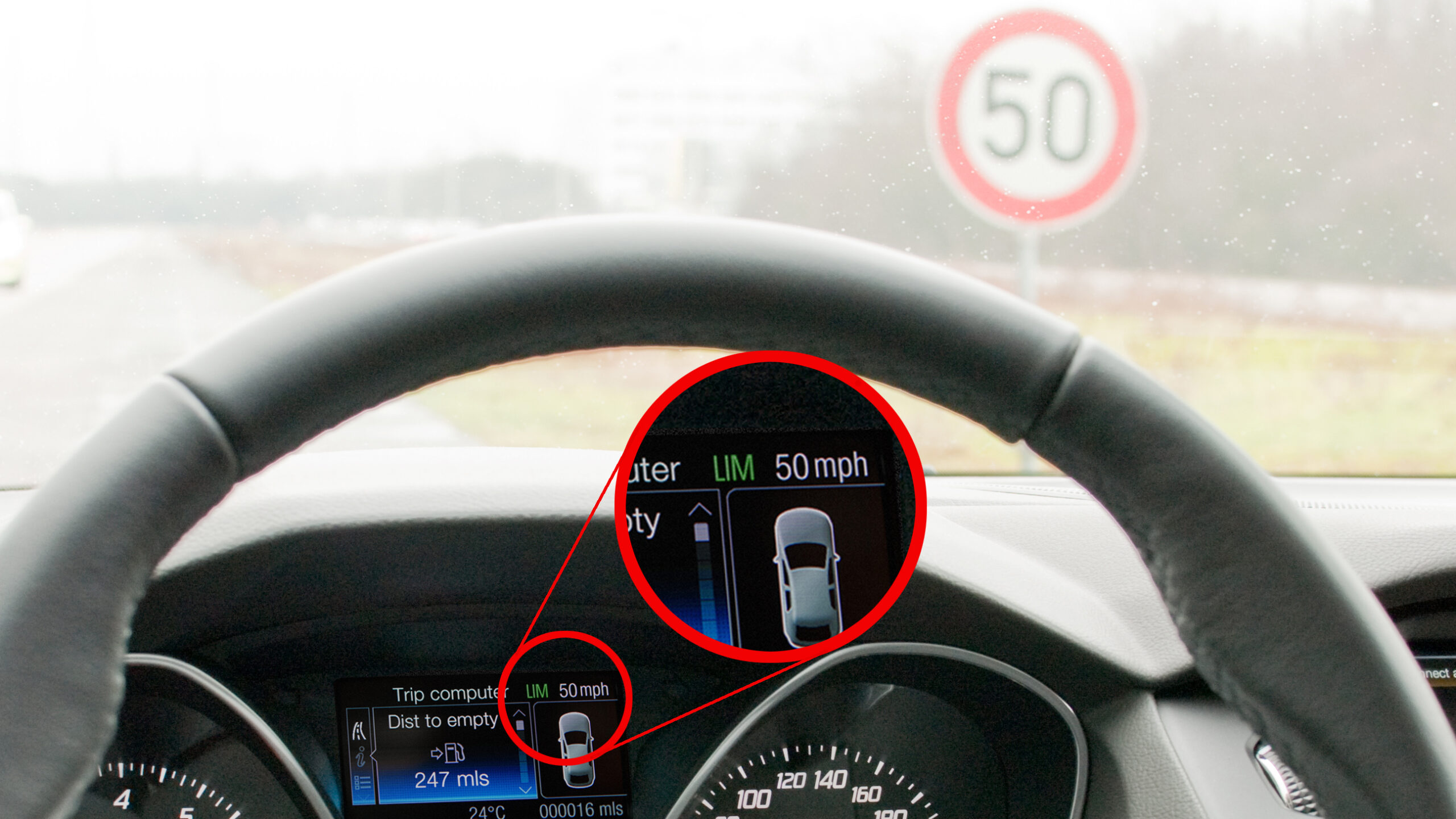
Adaptive Speed Limiting Systems, or ASLS, are a new breed of smart vehicle safety technology designed to help keep cars and commercial fleets within legal and safe speed limits. Unlike basic speed limiters of the past, which simply capped the top speed of a vehicle, ASLS dynamically responds to changing road conditions—reading the environment in real time and adjusting speed accordingly.
These systems are becoming especially important as governments tighten regulations, insurance providers demand safety compliance, and fleet operators look for smarter ways to reduce risk, fuel waste, and liability.
What Makes an ASLS “Adaptive”?
What sets adaptive systems apart is their ability to interpret and act on external data. They don’t just limit speed—they understand why it should be limited, when to do it, and how to adjust smoothly.
Here’s how that works:
-
Detection
The system identifies current speed limits through road sign recognition and geolocation services. -
Decision-making
An onboard AI compares the speed limit to the vehicle’s current speed, location, and driving behavior. -
Intervention
If needed, the ASLS gently reduces acceleration or applies engine braking to bring the vehicle into compliance, often without driver involvement.
This chain of actions happens in fractions of a second and often without the driver noticing—unless there’s a warning issued.
Core Components and Technologies Inside ASLS
For the system to work effectively, several advanced technologies work together in harmony:
1. AI-Powered Vision Systems
-
These systems use machine learning and computer vision to read and recognize speed limit signs, temporary restrictions, and even digital road signs.
-
High-resolution cameras mounted near the windshield continuously scan the road ahead.
-
AI models trained on large datasets help distinguish between real signs and irrelevant visuals, even in poor lighting or weather.
2. Telematics and GPS Mapping
-
Built-in GNSS (Global Navigation Satellite System) modules track the vehicle’s exact position on the map.
-
This is cross-checked with digital speed limit databases—which include regional rules, variable limits (like school zones), and recent updates.
-
Telematics modules also connect with cloud systems to update maps and receive OTA (over-the-air) enhancements.
3. Electronic Control Units (ECUs) and Throttle Management
-
Once the appropriate speed is determined, the ASLS communicates with the vehicle’s powertrain control module to limit throttle input or adjust torque.
-
Some systems work in cooperation with adaptive cruise control or lane assist systems, especially in semi-autonomous vehicles.
4. Driver Feedback Interfaces
-
ASLS systems don’t just control the vehicle—they also communicate with the driver.
-
Visual alerts, dashboard notifications, and gentle pedal resistance can prompt the driver to slow down, even before the system intervenes directly.
Why ASLS Matters for Fleet Operators
In fleet environments, speed isn’t just about safety—it’s about economics, reputation, and compliance.
-
Fuel Savings: Even a slight reduction in average speed can lead to significant fuel cost savings across large fleets.
-
Accident Reduction: Speeding is one of the leading causes of accidents. ASLS lowers risk by enforcing safer speeds.
-
Driver Behavior Monitoring: ASLS systems can integrate with driver scoring systems, helping fleet managers reward safe driving and coach risky behavior.
-
Insurance and Compliance: In many regions, especially across Europe, the Middle East, and Southeast Asia, insurance providers and regulators now mandate ISA-compliant speed limiting systems.
ASLS as Part of the Intelligent Speed Assistance (ISA) Ecosystem
ASLS is often bundled as part of broader Intelligent Speed Assistance (ISA) systems, which are now legally required in the EU for all new vehicles starting from 2022. ISA combines:
-
Real-time speed detection
-
Data from traffic infrastructure
-
Driver override functions (in non-intervening systems)
-
Black-box style recording of speed behavior
This makes ASLS not just a tool for compliance, but a strategic asset for fleet digitization, driver safety, and operational intelligence.
ASLS and the Growing Cybersecurity Risk
As impressive as these systems are, they also open up a larger attack surface for cyber threats. Every connected component—whether it’s a camera, GPS unit, ECU, or telematics device—is a potential vulnerability. Without proper cybersecurity controls, a hacker could:
-
Feed false speed limits through spoofed road signs
-
Send fake GPS signals to the system
-
Intercept OTA updates to inject malicious code
-
Override control signals to manipulate speed remotely
These risks make cybersecurity not just a technical issue, but a safety-critical priority for any company adopting ASLS across its fleet.
The Cybersecurity Threat Landscape
Connected vehicles are no longer just machines—they’re intelligent, data-driven systems rolling on four wheels. With every new feature that adds automation or connectivity, a new cyber risk vector is introduced. Adaptive Speed Limiting Systems (ASLS), by their nature, sit at the intersection of multiple high-risk technologies: AI vision, telematics, cloud connectivity, and real-time control.
This makes ASLS one of the most attractive targets for cybercriminals looking to exploit vehicle systems for disruption, surveillance, or even ransom.
Why ASLS Is a High-Value Target
Unlike infotainment hacks or non-essential system breaches, attacks on ASLS strike at the core of driving safety. If a hacker can manipulate your speed limiter, they can:
-
Force a vehicle to slow down dangerously on a highway
-
Disable speed control in school zones or construction areas
-
Create false compliance by tricking the system into thinking it’s obeying speed laws
-
Undermine trust in fleet compliance reports
As vehicle-to-cloud and vehicle-to-infrastructure (V2X) connections grow, so does the attack surface for cyber threats. What used to be isolated vehicle functions are now part of large, interconnected platforms—and that changes everything.
Common Cyber Threats Targeting ASLS
Let’s break down some of the most dangerous, real-world cybersecurity threats that can impact adaptive speed limiting systems.
1. GPS Spoofing
Deceptively redirecting a vehicle’s location data.
GPS spoofing involves transmitting false satellite signals to mislead the vehicle’s navigation system. For ASLS, which depends on GPS data to enforce speed based on location (like near schools or inside city zones), this is a serious vulnerability.
Real-World Impact:
-
The system may think it’s on a rural road with no speed limit when it’s actually in an urban center.
-
Fleets relying on geo-fencing for compliance can unknowingly break the law.
-
Law enforcement may flag the vehicle for violations, while the system falsely reports compliance.
2. CAN Bus Manipulation
Injecting unauthorized commands into the vehicle’s internal network.
The Controller Area Network (CAN) bus is like the nervous system of the vehicle, connecting critical ECUs (Electronic Control Units). Hackers who gain access—either physically or remotely—can inject fake messages that override or disable ASLS.
What This Can Cause:
-
Disable speed limits completely
-
Trick the system into believing throttle reduction is occurring when it isn’t
-
Send conflicting instructions that confuse vehicle behavior, possibly leading to erratic acceleration or deceleration
Real Case:
In multiple white-hat hacking experiments (like the Jeep Cherokee hack by Miller and Valasek), researchers showed how control over steering, braking, and acceleration could be taken by exploiting CAN bus vulnerabilities.
3. Firmware Tampering via OTA Updates
Corrupting software updates to install malicious code.
Most modern vehicles receive over-the-air (OTA) updates, just like smartphones. These updates can change the behavior of the ASLS by installing new parameters, AI models, or rules. But if the update channel is not secure, it becomes a direct pathway for malware.
Risks Include:
-
Implanting backdoors into the speed control module
-
Changing system rules to ignore certain speed zones
-
Disabling future updates, making the system unpatchable
Supply Chain Warning:
Firmware attacks can also happen before delivery—what’s known as a supply chain attack. Hackers inject malicious code during development or during third-party vendor handling.
4. Camera Spoofing and AI Model Exploitation
Tricking the system’s AI vision using false visual cues.
ASLS often relies on AI-powered cameras to read road signs. But AI vision systems can be deceived by carefully crafted inputs, a tactic known as adversarial machine learning.
Examples:
-
Placing stickers or reflective tape on road signs to confuse sign recognition
-
Using projectors to display fake speed signs temporarily
-
Making the system misclassify “80” as “30” or ignore the sign completely
Risks:
-
Erratic deceleration in high-speed zones
-
Constant warnings or overrides that lead to driver distraction
-
Failure to comply with local traffic laws
Not Just Theory—Real Hacks Have Happened
These aren’t just speculative threats. Major car manufacturers have had security researchers demonstrate successful remote attacks, and in some cases, patches were issued years later.
Notable incidents:
-
Charlie Miller and Chris Valasek (2015): Demonstrated remote control over a Jeep Cherokee using a vulnerability in the infotainment system, which connected to the CAN bus.
-
Tesla (2020): Researchers found they could trick the Tesla Model S into changing lanes or ignoring speed limits by using carefully modified signs and road markings.
-
GNSS spoofing attacks have been detected in real-world maritime and drone applications, and are now extending into the automotive world.
These examples show that the threat isn’t coming—it’s already here.
Cyber Risks Specific to ASLS Ecosystems
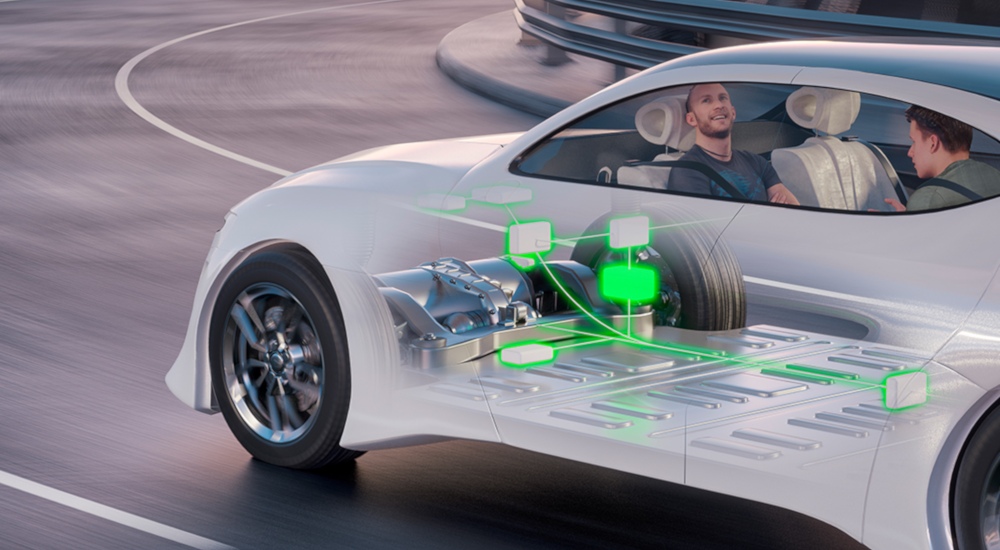
Adaptive Speed Limiting Systems (ASLS) are no longer standalone features—they’re part of an interconnected digital ecosystem. This ecosystem includes edge-level devices like cameras and sensors, embedded software inside vehicle control units (ECUs), and cloud platforms that handle data storage, system updates, and analytics.
Because each of these layers is tightly linked, a single breach in any component can compromise the entire system. And in large fleets operating across regions like the UAE, India, and Southeast Asia, where thousands of vehicles may share the same software architecture, the ripple effect of an attack can be devastating.
Let’s explore each of the core vulnerabilities inside the ASLS ecosystem—and why they matter.
1. AI Manipulation in Vision Systems
Threat: Hackers can exploit machine learning vulnerabilities in AI vision systems to make the vehicle misinterpret road signs or environmental cues.
ASLS systems often rely on computer vision models to read speed limit signs in real time. These models are trained on large datasets of traffic signs, symbols, and visual markers. But like any AI model, they’re vulnerable to adversarial attacks—small, carefully crafted changes to an image that can cause the model to misclassify what it sees.
Attack Examples:
-
A sticker on a “90 km/h” sign that causes the system to read it as “30 km/h”
-
A temporary digital projection of a fake speed sign that triggers unnecessary deceleration
-
Modifying real-world signs in a way invisible to humans but confusing for the AI
Real-World Impact:
-
Sudden and unnecessary braking
-
Failure to slow down in regulated zones (e.g., schools, construction sites)
-
Unpredictable vehicle behavior in mixed traffic
2. Real-Time Data Interception via Telematics
Threat: If vehicle-to-cloud communication isn’t encrypted, attackers can intercept, manipulate, or inject false data.
ASLS depends on telematics modules to constantly share vehicle status, location, speed, and compliance data with fleet management platforms. But if this data isn’t transmitted over encrypted, authenticated channels, attackers can:
-
Eavesdrop on fleet operations
-
Feed false compliance data to central systems
-
Alter commands from the cloud to the vehicle, such as OTA configuration updates
Telematics platforms that use legacy protocols, unprotected APIs, or insecure SIM authentication are especially vulnerable.
Fleet Risk:
-
Malicious actors could spoof compliance logs, creating a false sense of security.
-
Regulatory violations may go unnoticed until audits or accidents occur.
-
Sensitive data—like driver behavior, vehicle routes, and asset status—can be exposed or sold on dark markets.
3. Control System Overrides (ECU Exploits)
Threat: Gaining access to the vehicle’s central ECUs allows attackers to override or disable the ASLS functionality.
The Electronic Control Unit (ECU) acts like the vehicle’s brain. It controls everything from throttle response and braking to system diagnostics. If an attacker gains access to the ECU—through local access, a malicious firmware update, or connected services—they can take control of speed limiting behaviors.
Methods of Intrusion:
-
Exploiting a vulnerability in a connected third-party device (e.g., infotainment, telematics dongles)
-
Reprogramming ASLS logic via unsecured diagnostic ports (like OBD-II)
-
Using malware to inject commands directly into the speed limiter module
What Can Happen:
-
ASLS can be disabled silently
-
Speed limits can be raised without detection
-
Throttle controls can be overridden, putting both driver and pedestrians at risk
In high-risk areas—like logistics routes, oil & gas fleets, or defense mobility platforms—the consequences of such overrides can be catastrophic.
4. Insufficient Compliance with Cybersecurity Standards
Threat: Skipping mandatory or recommended cybersecurity standards opens the door to known vulnerabilities and makes the system non-compliant.
Many ASLS platforms in emerging markets are built quickly to meet regulatory requirements like ISA (Intelligent Speed Assistance), but often skip deep cybersecurity integration. Without alignment to internationally recognized frameworks, systems remain vulnerable to attacks that have already been solved in more secure deployments.
Key Standards to Follow:
-
ISO/SAE 21434: The gold standard for vehicle cybersecurity across the development lifecycle
-
UNECE WP.29: Makes cybersecurity management systems (CSMS) and software update management systems (SUMS) mandatory for type approval
-
NIST Cybersecurity Framework: Useful for identifying, protecting, detecting, and responding to cyber threats
Consequences of Non-Compliance:
-
Failed certification audits in the EU and GCC countries
-
Ineligibility for government contracts or fleet insurance programs
-
Public trust and legal liability issues after cyber incidents
Why It’s Especially Critical in Regional Fleets

Fleet operators in UAE, India, Southeast Asia, and North Africa often run thousands of vehicles across borders, with shared platforms and central control systems. This centralization amplifies risk—a single breach in the cloud or OTA system can affect entire fleets in multiple countries at once.
In regions where vehicles are integrated with public safety platforms or insurance compliance systems, the real-time trust in vehicle behavior is non-negotiable. Any security lapse that compromises speed compliance can result in:
-
Insurance coverage denial
-
Legal action from municipalities or third-party victims
-
Contract termination for non-compliance with public safety policies
Building Cyber Resilience into ASLS
The solution isn’t just locking one part—it’s building defense into every layer. Just like in aviation, redundancy and secure design make the difference.
Key Security Layers:
-
Edge-level protection
-
Secure boot processes
-
Encrypted communication between sensors and ECUs
-
-
Firmware-level defense
-
Signed OTA updates
-
Version checks to prevent downgrade attacks
-
-
Cloud-level monitoring
-
Real-time threat detection using machine learning
-
Secure data storage and transmission protocols
-
Real-time cybersecurity doesn’t just detect problems—it predicts them. AI can flag abnormal behavior, like sudden speed changes or signal inconsistencies, giving fleet managers time to act.
Secure OTA Updates and AI Model Integrity
Over-the-air updates are a great way to improve systems, but they’re also a weak point if not secured.
-
Firmware needs digital signatures to confirm authenticity
-
AI models must be locked to prevent tampering or poisoning
-
Update logs should be immutable to track every change
If a hacker manages to slip a fake update into a fleet of 1,000 vehicles, the damage could be widespread—and possibly undetectable.
Regulatory and Compliance Implications
Governments are stepping in, and for good reason. Lives are on the line.
Key Standards:
-
ISO/SAE 21434: Cybersecurity in road vehicles
-
UNECE WP.29: Cybersecurity and software update regulations
-
NIST Cybersecurity Framework: Guidelines for securing systems
In the UAE, MENA region, and Europe, ISA systems are now being mandated. Insurance companies are even requiring proof of cybersecurity compliance before covering fleets.
Fleet owners who ignore these regulations risk losing coverage, paying higher premiums, or even facing legal penalties after a breach.
How Resolute Dynamics Secures ASLS
Some companies bolt on cybersecurity as an afterthought. Resolute Dynamics builds it in from the start.
-
AI-powered vision systems are hardened against spoofing
-
Real-time telematics use encrypted channels
-
Control systems are isolated and monitored for threats
-
OTA platforms use trusted delivery paths with integrity checks
This layered defense strategy aligns with Resolute’s mission to Capture, Connect, and Control—securely.
With over 200,000 connected vehicles across 20+ countries, our systems are tested in real-world, high-risk environments every day.
Future Trends and Evolving Threats
Cybersecurity is never “done.” As attackers evolve, so must the defenses.
What’s Coming:
-
Quantum-resistant encryption for vehicle networks
-
Behavioral AI that learns from driver and system patterns
-
Zero Trust architecture even within the vehicle’s subsystems
-
Secure V2X communication as cars talk to infrastructure and other vehicles
As cars become more autonomous and fleets more connected, cybersecurity will be as essential as brakes or airbags.
Conclusion: Cybersecurity Is the Backbone of Smart Speed Control
Adaptive Speed Limiting Systems are shaping the future of road safety. But without strong cybersecurity, their benefits can quickly turn into risks.
By building defense into every level—vision, data, and control—fleet managers can protect not just their vehicles, but their drivers, cargo, and reputation.
In today’s world, smart speed control needs smart protection.
Frequently Asked Questions
How can hackers manipulate speed control systems?
They can use GPS spoofing, hack into firmware, or fool cameras into reading fake speed signs.
Are adaptive speed systems required by law?
In many regions, yes—especially as part of ISA mandates. Regulations like UNECE WP.29 are making them mandatory for new vehicles.
What is ISO/SAE 21434?
It’s an international standard that defines how automotive systems should be secured throughout their life cycle.
Can AI in speed systems be hacked?
Yes. AI models can be manipulated with specific inputs, a technique called “adversarial attacks.” Proper training and model integrity checks are essential.