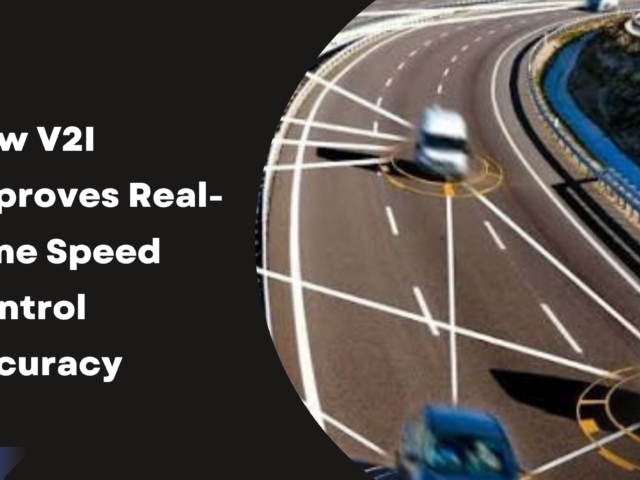
A speed control system is only as good as the speed limit it believes. When that limit comes from a...
Read More
Blog
Jun 15, 2025 Resolute Dynamics
Multi-Carrier SIM Strategies for International Fleets
A fleet that crosses borders cannot lean on one carrier. Coverage drops the moment a vehicle leaves the home network,...
Read More
Capturing Emissions and Air Quality Data From Fleets
A commercial fleet vehicle can capture two very different things, and they are easy to confuse. One is the emissions...
Read More
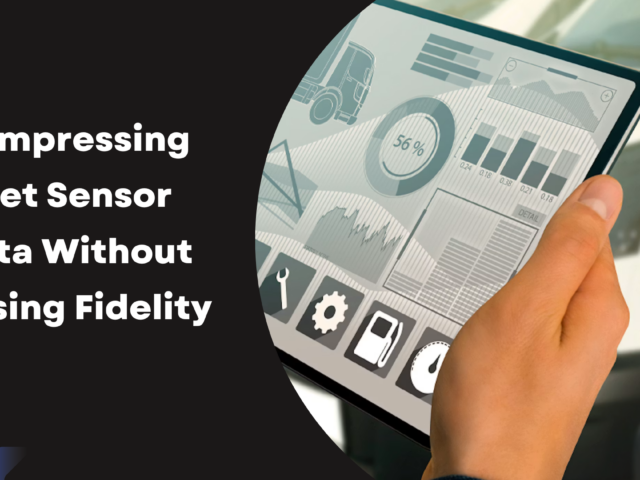
Compressing Fleet Sensor Data Without Losing Fidelity
A fleet's sensors produce a flood of data, and storing all of it at full fidelity gets expensive fast. Deleting...
Read More
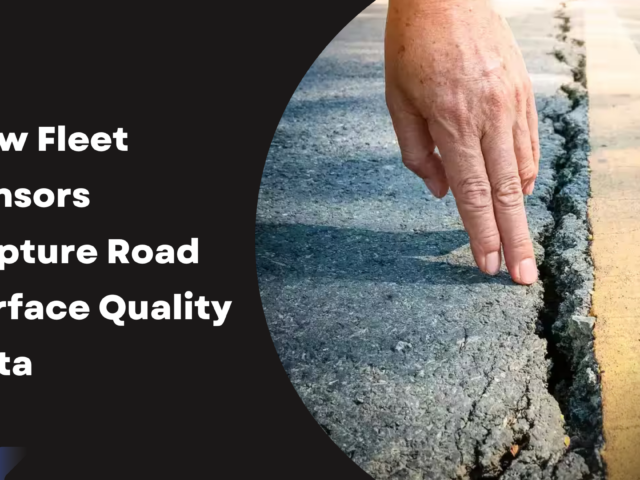
How Fleet Sensors Capture Road Surface Quality Data
Every vehicle in a fleet drives the same roads day after day, which makes each one a rolling survey of...
Read More
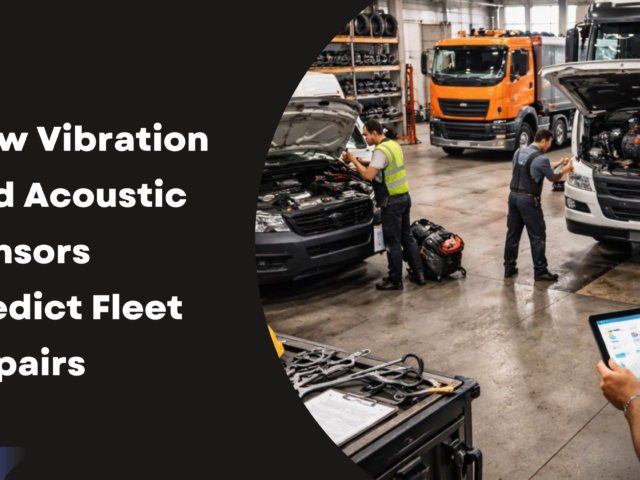
How Vibration and Acoustic Sensors Predict Fleet Repairs
A failing wheel bearing or worn gear gives off warning signs long before a driver ever feels or hears them....
Read More
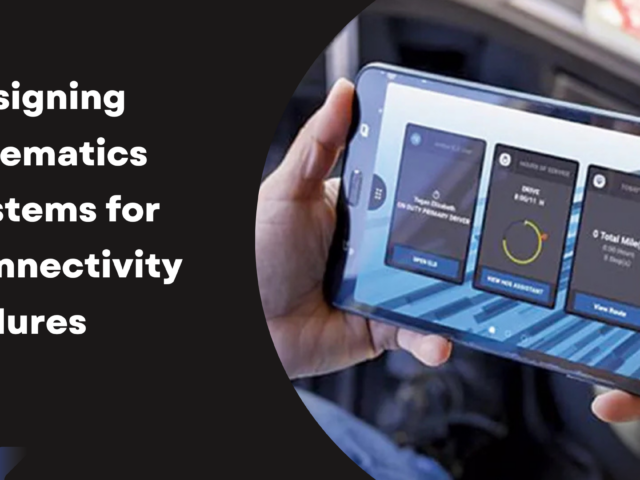
Designing Telematics Systems for Connectivity Failures
Vehicles drive through tunnels, remote dead zones, congested cells, and the occasional carrier outage, which means telematics connectivity will fail...
Read More
Digital Tachograph Integration With Fleet Telematics
A digital tachograph records a driver's driving time, breaks, and rest periods to prove a fleet obeys the drivers' hours...
Read More

Building a Unified Fleet Data API Gateway
Most fleets do not run one telematics system; they run several, and each one keeps its data behind its own...
Read More
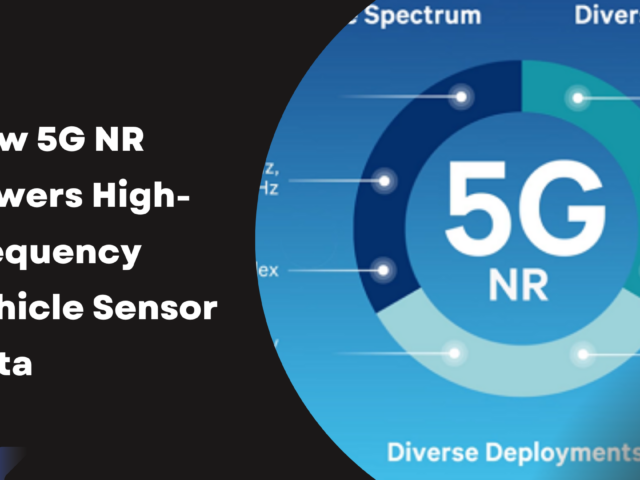
How 5G NR Powers High-Frequency Vehicle Sensor Data
A modern vehicle generates far more sensor data than older networks could ever move in real time. Cameras, lidar, radar,...
Read More
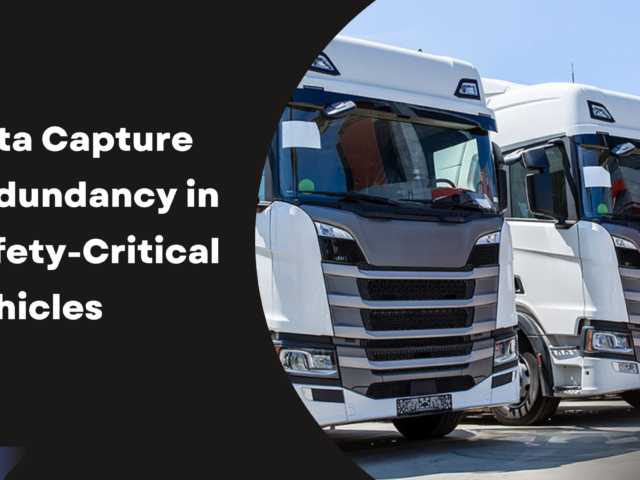
Data Capture Redundancy in Safety-Critical Vehicles
In a safety-critical vehicle system, the data a decision rests on cannot depend on a single sensor, wire, or processor...
Read More
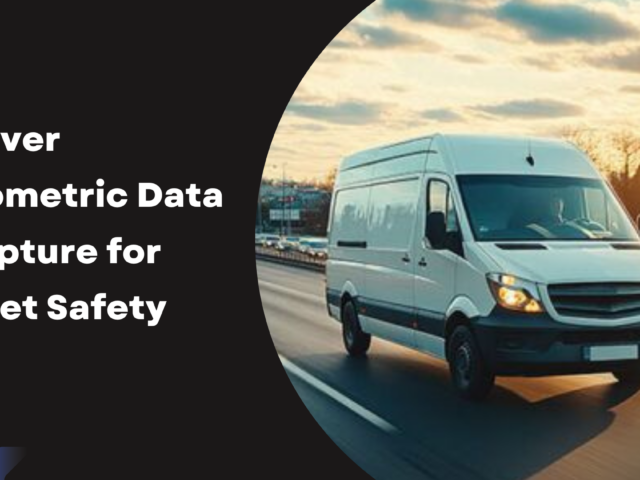
Driver Biometric Data Capture for Fleet Safety
Driver biometric data capture uses a driver's physical and physiological signals, such as eye movement, facial cues, and heart rate,...
Read More
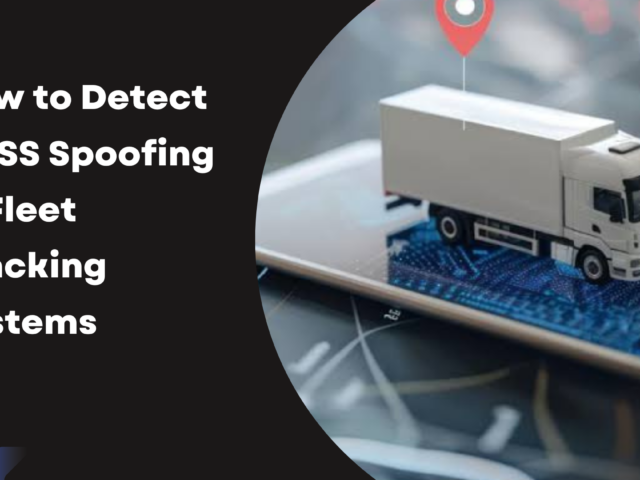
How to Detect GNSS Spoofing in Fleet Tracking Systems
A fleet's location data is only useful if it is true, and GNSS spoofing exists to make it false. Spoofing...
Read More
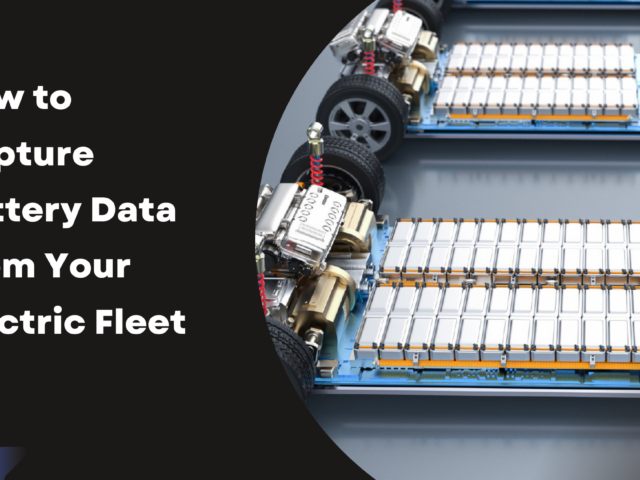
How to Capture Battery Data From Your Electric Fleet
The data that runs an electric fleet sits inside each battery, and by default it stays there. The Battery Management...
Read More
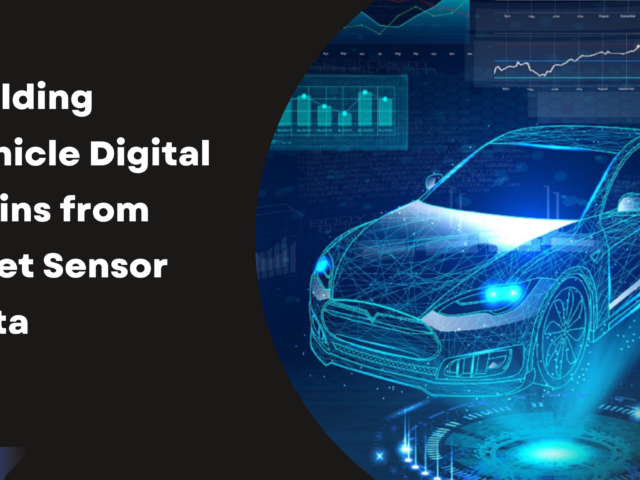
Building Vehicle Digital Twins from Fleet Sensor Data
A vehicle digital twin is a continuously-synchronized virtual replica of a physical vehicle, built from live sensor data and updated...
Read More
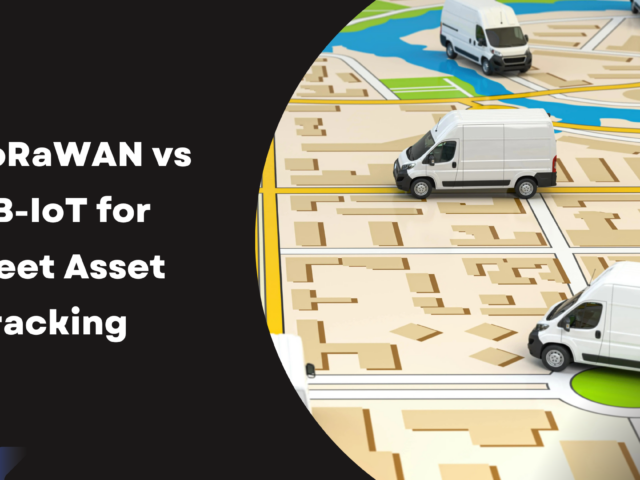
LoRaWAN vs NB-IoT for Fleet Asset Tracking
A Low-Power Wide-Area Network (LPWAN) is a class of wireless network that trades data rate for range and battery life,...
Read More
UN R155 Cybersecurity: What Commercial Fleets Must Know
UN Regulation No. 155 is a manufacturer type-approval regulation, not a direct obligation on fleet operators, but it governs the...
Read More
Fleet Telemetry Streaming Architecture: Kafka & Kinesis
A real-time streaming architecture ingests high-volume vehicle telemetry as a continuous, ordered stream of events and delivers it to processing...
Read More

Private 5G & LTE Networks for Port & Industrial Fleets
A private LTE or 5G network is a dedicated cellular network confined to a single site, and it gives a...
Read More
Fleet Data Sovereignty: Cross-Border Vehicle Data Rules
Fleet data is subject to the laws of every jurisdiction it is collected in and moves through, so a connected...
Read More