How to Capture Battery Data From Your Electric Fleet
Aug 22, 2026 Resolute Dynamics
The data that runs an electric fleet sits inside each battery, and by default it stays there. The Battery Management System is the brain of the battery, but it is usually offline and stores no data, so the readings a manager needs for range, degradation, and charging never leave the vehicle on their own. Battery telematics is how a fleet pulls that data off the vehicle and puts it to work.
This guide covers the telemetry to capture, how to capture it, and how to use it for the three jobs that decide electric fleet economics.
The Battery Telemetry to Capture
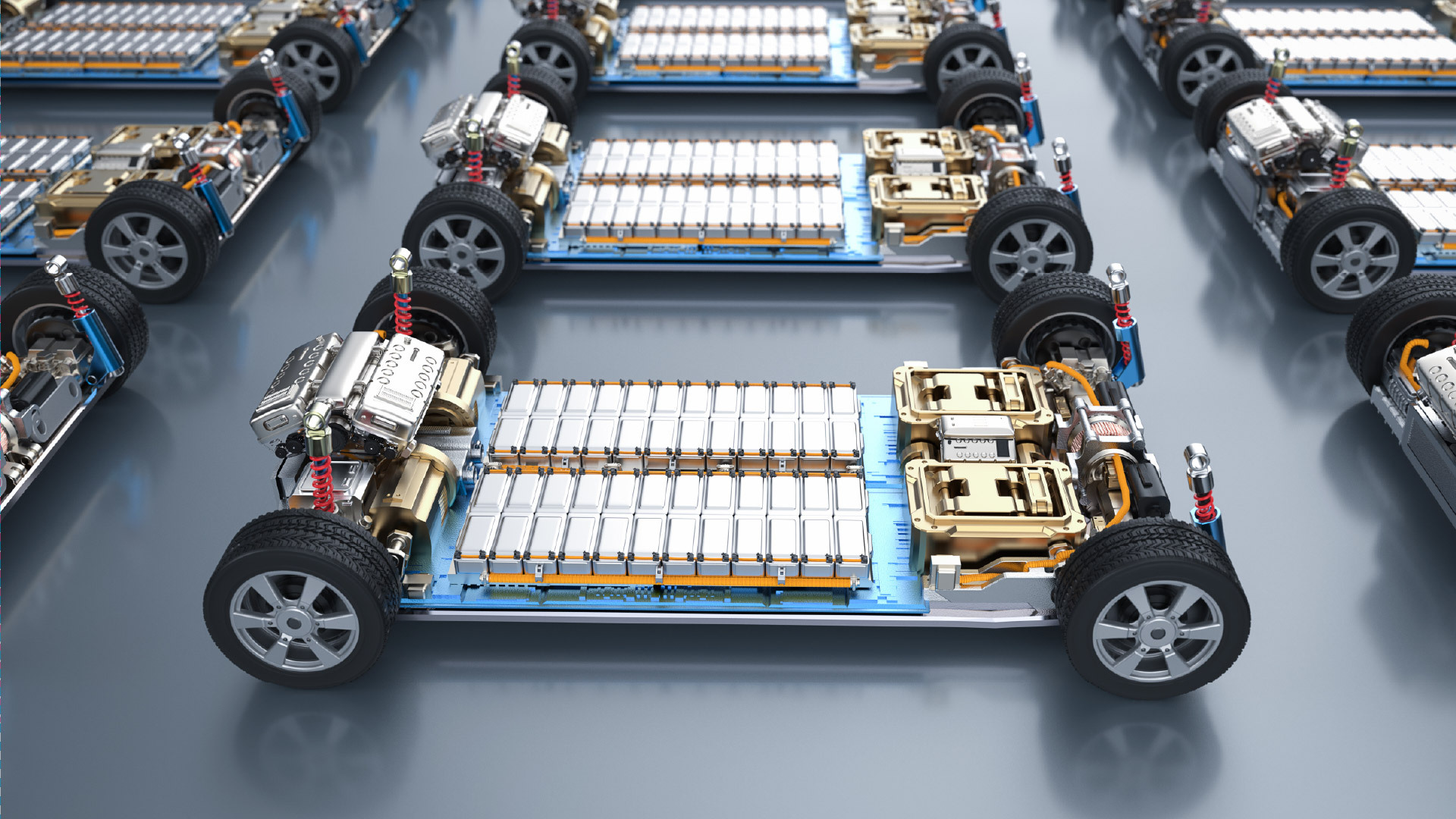
An electric fleet captures six telemetry streams that cover state, safety, and energy use. Each one feeds at least one operational decision, so a capture plan starts by confirming the vehicle reports all six.
| Stream | What it tells you | Primary use |
|---|---|---|
| State of Charge (SoC) | Current charge level | Range planning, dispatch |
| State of Health (SoH) | Remaining capacity vs original | Degradation, replacement |
| Pack temperature (min/max/avg) | Thermal condition | Safety, degradation |
| Cell and string voltages (min/max) | Cell balance and faults | Fault detection |
| Charging sessions | Charger type, peak rate, cycle count, energy per session | Charging optimization |
| Energy efficiency | Consumption, regen, range per kWh | Range planning, cost |
Capturing all six from the start avoids a rebuild later, because range, degradation, and charging decisions each draw on a different combination of these streams.
How to Capture the Data Off the Vehicle
Battery data leaves the vehicle through one of two paths: a direct read of the BMS over OBD or the CAN bus, or a pull from the OEM telematics API. Charging data comes through a third path, the charging network. Most fleets combine all three across a mixed set of vehicles.
A direct read pulls State of Charge, State of Health, temperatures, and voltages straight from the BMS over OBD or CAN, which gives a fleet control over what it captures and how often. An OEM API pulls the same values from data the manufacturer already collects, which is faster to set up but limited to what the OEM shares.
For charging, software that supports the Open Charge Point Protocol (OCPP) works across different charger makes, and ISO 15118 supports smart charging and grid interaction. A centralized vehicle data capture platform then aggregates every vehicle’s data into one record, so battery, energy, and location data sit together.
Set the capture rate per signal rather than sampling everything the same way. Steady values like State of Charge suit continuous sampling, while a temperature spike or a charging fault needs an immediate trigger. Matching the method to the signal keeps data cost down without missing safety events.
Range Planning With Battery Telemetry
Range planning runs on State of Charge and real range-per-kWh efficiency, not the vehicle’s rated range. A rated figure assumes ideal conditions; a fleet operates in real ones, with load, terrain, climate, and driving style all cutting into range. Captured efficiency data replaces the assumption with each vehicle’s actual performance.
With live SoC and historical efficiency per vehicle and route, a dispatcher assigns the right vehicle to the right job and avoids two failures at once: stranding a vehicle that could not finish its route, and under-using one that had plenty of range to spare.
Efficiency trends also flag a vehicle whose range is quietly dropping, which is often the first operational sign of battery aging.
Degradation Monitoring With Battery Telemetry
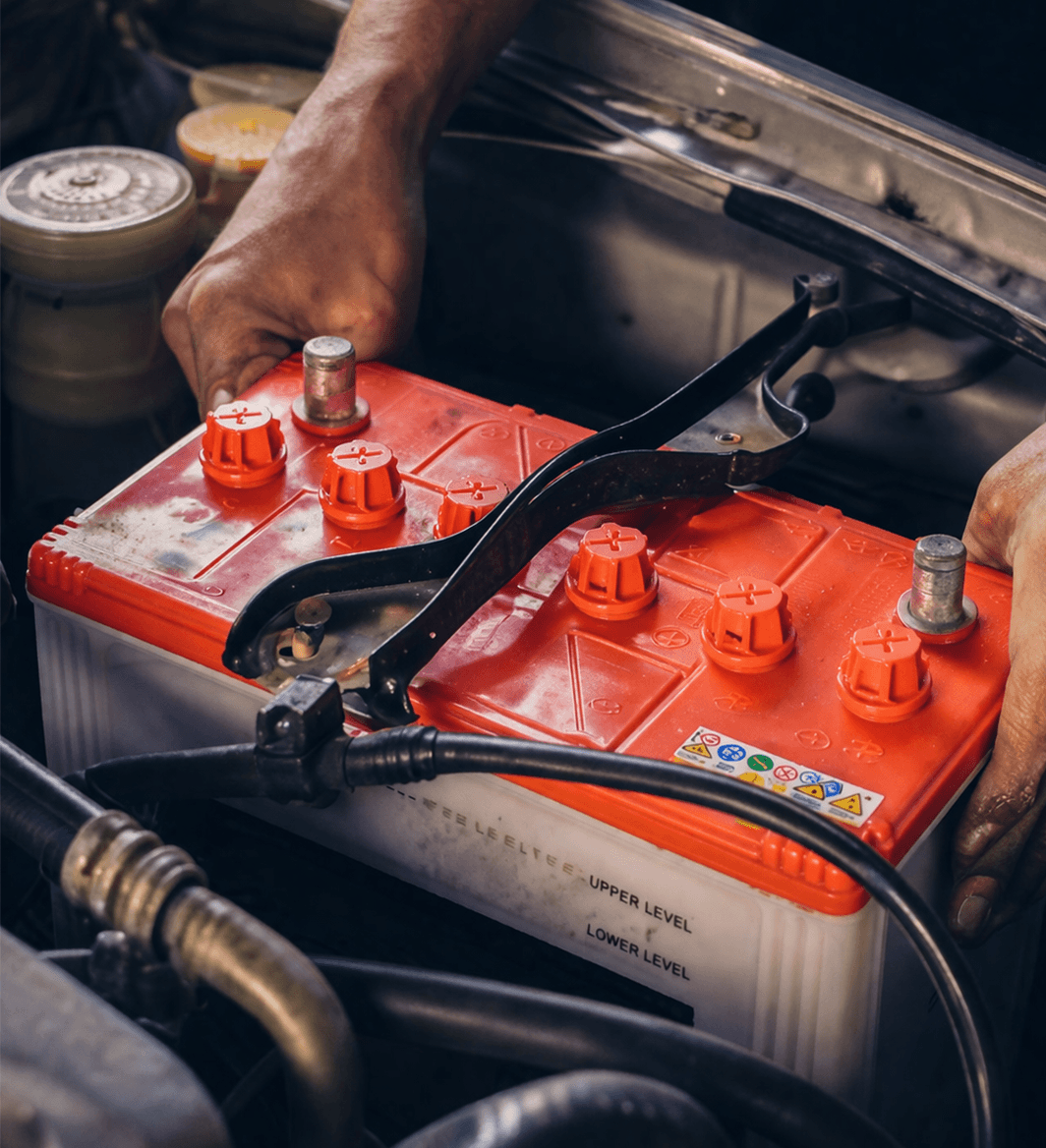
Degradation monitoring runs on State of Health tracked over time, read against temperature and charging habits. A single SoH reading means little; the curve is what matters. Watching that curve shows how fast a pack is losing capacity and when it will cross the operational threshold most fleets use.
Fleets commonly treat 80% of original capacity as the effective end of service life, and continuous SoH data shows exactly when each pack approaches it, turning replacement into a planned budget item instead of a surprise.
Pairing SoH with pack temperature and charge-session data explains the degradation, since heat and repeated fast charging are the main drivers. That link between cause and effect is what lets a fleet slow degradation rather than just record it.
Charging Optimization With Battery Telemetry
Charging optimization runs on charging-session and energy data: charger type, peak charge rate, cycle count, and timing. This data shows how each vehicle is charged and how hard that charging is on the battery, which affects both energy cost and battery life.
Two levers come out of it. First, cost: coordinating charging schedules and grid interaction shifts charging to cheaper, lower-demand periods and eases peak load.
Second, battery life: the data reveals how often a vehicle is fast-charged and how high its charge sessions run, so a fleet can favor gentler charging where the schedule allows. Capturing charger type and rate per session is what makes both levers visible instead of guessed.
Capturing Battery Data Across a Mixed Fleet
In a mixed fleet, battery telemetry is normalized alongside diesel and petrol vehicle data in one platform. An operator running electric vans next to combustion trucks manages them together only when both are expressed in a shared form.
Battery data becomes another source that the fleet’s data architecture reads and standardizes, so electric and combustion vehicles appear in one consistent view rather than in separate systems.
Getting Started and What to Watch For
Start by auditing each vehicle to confirm whether battery data is available over OBD/CAN, an OEM API, or both, then choose the path per vehicle class, set the capture rate per signal, and aggregate everything into one platform. Three issues decide how smoothly this goes.
- OEM data access: some battery data sits behind the manufacturer, so confirm what each OEM shares and on what terms before relying on an API.
- Standardization: different chemistries and makes report differently, so plan to map values into a common form for fair comparison.
- Security: battery and telematics data reveal vehicle use and location, so encrypt it in transit and at rest, control access, and follow local data-handling rules, including those in the UAE and wider GCC.
Frequently Asked Questions
What battery telemetry should an electric fleet capture?
Capture State of Charge, State of Health, pack temperature, cell voltages, charging sessions, and energy efficiency. These six streams cover the battery’s live state, its long-term condition, and how it is used and charged. Range, degradation, and charging decisions each draw on a different mix of them.
How is battery data captured from an electric vehicle?
Battery data is captured from the BMS over OBD or the CAN bus, or through an OEM telematics API. A telematics device reads the values directly, or a fleet accesses data the manufacturer already collects. Charging data is captured separately through standards like OCPP and ISO 15118.
What is the difference between State of Charge and State of Health?
State of Charge is how full the battery is now, while State of Health is how much total capacity remains compared with when it was new. SoC changes through the day and drives dispatch; SoH declines over years and drives replacement planning.
How does battery data improve range planning?
Battery data replaces rated range with each vehicle’s real range-per-kWh efficiency. Live State of Charge plus historical efficiency per route lets a dispatcher match vehicles to jobs with confidence, avoiding both stranded and under-used vehicles.
How does telemetry help extend battery life?
Telemetry shows how heat and charging habits drive degradation. By reading State of Health against temperature and charge-session data, a fleet can favor gentler charging and better thermal conditions, slowing capacity loss instead of only recording it.