Digital Tachograph Integration With Fleet Telematics
Aug 27, 2026 Resolute Dynamics
A digital tachograph records a driver’s driving time, breaks, and rest periods to prove a fleet obeys the drivers’ hours rules. On its own, that record stays locked in the vehicle unit and the driver card, read only when someone plugs in and downloads it.
Integrating the tachograph with a modern telematics platform changes that: the compliance record becomes live, automated fleet data that a manager sees without leaving the office. This guide explains how tachograph data reaches a telematics platform, what integration delivers, and the rules that govern it.
Two Ways Tachograph Data Reaches a Telematics Platform
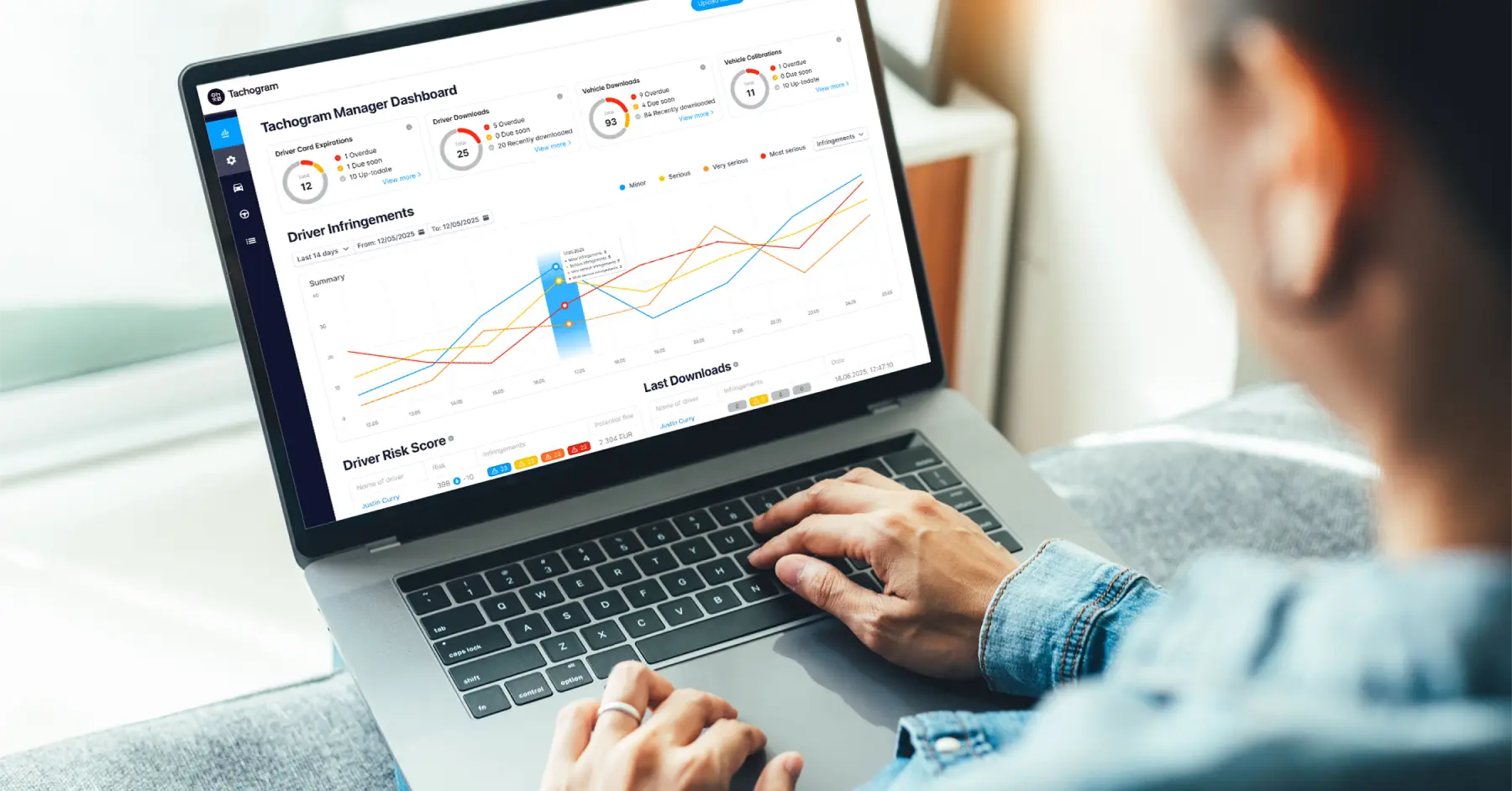
Tachograph data flows into a telematics platform through two separate channels: a live data interface and a remote file download. They serve different purposes, and a full integration uses both.
The ITS Interface for Live Data
The ITS interface streams individual tachograph readings to a telematics system in real time. Regulation (EU) 165/2014 built an interface with intelligent transport systems into the smart tachograph, and on the second-generation version 2 device this interface is mandatory rather than optional.
Through it, the tachograph securely passes selected data, such as driver activity and speed, to a third-party telematics platform as the vehicle runs.
Remote Download for the Legal Files
Remote download collects the full, legally required tachograph files without anyone touching the vehicle. The platform pulls the complete driver card and vehicle unit files, the .ddd files a fleet must download and archive, over the mobile network on a schedule. This is what keeps a fleet compliant with download and record-keeping duties automatically.
What the ITS Interface Delivers
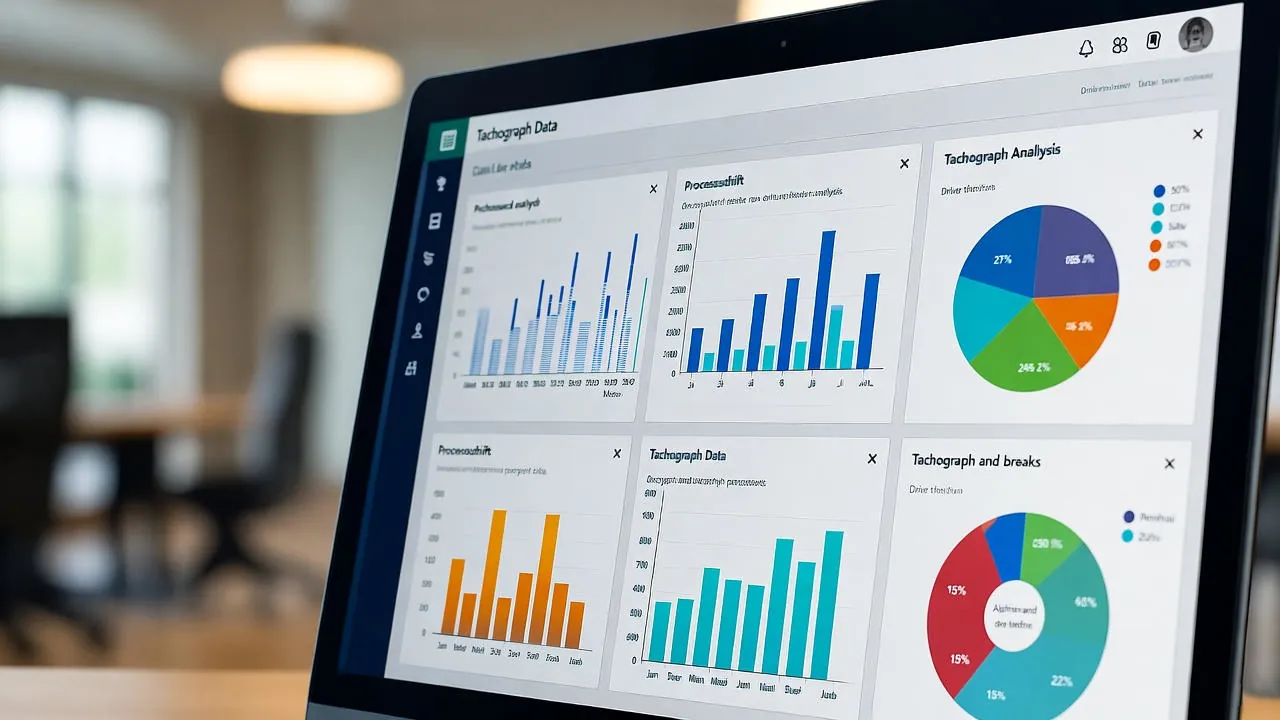
The ITS interface delivers a live view of driver activity that older tachographs kept hidden until download. Because it is now mandatory on the version 2 device, every new compliant vehicle can feed this data to a telematics platform.
Through the interface, a platform reads driving data as it happens and combines it with the vehicle’s other information for analysis.
A manager can watch remaining driving time and approaching rest requirements in real time, rather than discovering an infringement days later when the card is finally downloaded. This turns the tachograph from an after-the-fact record into a live compliance tool.
How Remote Tachograph Download Works
Remote download works by using the company card’s authority to pull tachograph files automatically over the network. A company holds a company card that grants the right to download and store its tachograph data, and the telematics system uses that authority to authenticate each remote download.
The platform then collects the driver card and vehicle unit files on a set schedule, so downloads happen within the legal intervals without a person visiting each vehicle.
Driver cards are commonly downloaded at least every 28 days and vehicle units at least every 90 days, and automating this removes both the manual effort and the risk of a missed deadline. The files are archived securely for the retention period the law requires, ready for inspection.
What Integration Delivers for a Fleet
Integrating the tachograph turns a compliance obligation into automated, usable fleet data. The payoff is less admin, fewer infringements, and a single view of driver and vehicle together.
A connected fleet telematics platform brings several benefits at once. It monitors drivers’ hours in real time so a manager can act before a limit is broken. It analyzes downloaded files automatically against the drivers’ hours and tachograph rules, flagging infringements instead of leaving them to be found by hand.
It combines tachograph activity with GPS and vehicle data for one complete picture of each trip. And it archives the legal files in an audit-proof way, so an inspection is a matter of retrieving records rather than scrambling for them.
The Regulations Behind Tachograph Integration
Tachograph integration is shaped by EU law that sets both the device and the rules it enforces. Regulation (EU) 165/2014 governs the tachograph itself, while Regulation (EU) 561/2006 sets the drivers’ hours limits the tachograph records against.
The smart tachograph has moved through generations under these rules. The second-generation version 2 device, required in new heavy vehicles since 21 August 2023, adds automatic recording of border crossings and loading or unloading, authentication of GNSS signals, and more secure remote transmission.
Older devices are being phased out on a timetable: first-generation and earlier digital units convert by the end of 2024, and smart tachograph version 1 units convert by August 2025. From 1 July 2026, the requirement extends to light commercial vehicles over 2.5 tonnes in international transport and cabotage. A platform has to keep pace with this timetable to stay compliant.
What to Check When Integrating
A smooth integration depends on device generation, credentials, download timing, and data security. Confirming these before starting avoids gaps that break compliance later.
- Device generation: confirm which tachograph version each vehicle carries, since the mandatory ITS interface arrives with the version 2 device.
- Company card and keys: make sure the company card and any required download keys are in place for remote download.
- Download intervals: schedule downloads to meet the legal intervals for driver cards and vehicle units.
- Data security and retention: store the files encrypted, with access controlled, for the full retention period the law requires.
Frequently Asked Questions
What is a digital tachograph used for?
A digital tachograph records a driver’s driving time, breaks, and rest periods to enforce the drivers’ hours rules for commercial vehicles. It stores data on the vehicle unit and the driver’s card. Integrating it with telematics turns that record into live, automated data.
How does a tachograph connect to a telematics platform?
A tachograph connects through the ITS interface for live data and remote download for the legal files. The ITS interface streams driver activity in real time, while remote download pulls the full .ddd files over the network. A complete integration uses both channels.
What is remote tachograph download?
Remote download collects the required tachograph files automatically over the mobile network, without anyone visiting the vehicle. Using the company card’s authority, the platform downloads driver card and vehicle unit data on schedule and archives it. This keeps a fleet within its legal download intervals.
Do I need a company card for integration?
Yes, a fleet needs a company card to download and store its tachograph data, and remote download uses that card’s authority to authenticate. Drivers separately hold driver cards that record their activity. Both are required for a compliant setup.
Which vehicles need a smart tachograph 2?
New heavy vehicles have needed the smart tachograph version 2 since 21 August 2023, with older devices converting through 2024 and 2025. From 1 July 2026, the requirement extends to light commercial vehicles over 2.5 tonnes in international transport and cabotage. Checking each vehicle’s device is the first integration step.