Driver Override Ethics in Automated Safety Systems: Where Should the Line Be?
Apr 29, 2026 Resolute Dynamics
TL;DR: Automated speed governance and safety systems can dramatically cut crash risk and legal exposure, but they also put hard walls around driver autonomy. Override should exist as a tightly controlled “safety valve” for real emergencies and system failures, not for convenience or schedule pressure.
At the same time, there need to be rock-solid, non-overridable limits that protect vulnerable road users and keep fleet liability under control.
Key Takeaways
- Driver override ethics are about balancing driver moral agency with the obligation to prevent predictable, preventable harm to the public, coworkers, and the driver themselves.
- Emergency override is ethically justified when it clearly improves safety or handles urgent medical or situational needs. “I’m late” doesn’t qualify.
- Non-overridable limits are ethically and legally important in school zones, work zones, geo-fenced industrial areas, and whenever driver impairment or high-risk behavior is detected.
- SAE J3016 levels of automation shift how responsibility and override expectations are split between human drivers and automated systems.
- Liability depends on who actually had effective control in that moment: the driver, the fleet operator (through policy and configuration), or the system manufacturer.
- Graduated authority models (warnings → resistive feedback → soft limits → hard limits) create a workable compromise between human autonomy and automated control.
- Override events should be governed by clear written policy, informed driver consent, and detailed logging so audits, investigations, insurance claims, and discipline can be fair and evidence-based.
- Resolute Dynamics’ Control module turns these ethics into practice with configurable policies, contextual authority levels, and a full override logging audit trail that closes the loop.
Quick Definition: What Is Driver Override in Automated Safety Systems?

Driver override in automated safety systems means the driver takes an intentional action that stops, bypasses, or counters a safety function so they can directly control what the vehicle is doing again. That might mean defeating an automated speed limiter, resisting a lane keeping correction, or pushing past a geo-fenced speed cap so the vehicle responds to their input instead of the software’s decision.
In fleet speed governance, override usually looks like the driver pressing harder through a resistance threshold on the pedal, hitting a physical override button, or using the HMI (human–machine interface) to request a higher limit for a short period. In plain terms, they’re telling the system, “I’m taking charge right now,” even though the system disagrees.
The Core Tension: Driver Autonomy vs Automated Safety
Automated speed governance and driver-assist tech can pull crash numbers down fast and keep fleets out of court, but they box in the judgment of drivers who live in those vehicles day in, day out. Those drivers deal with weird merges, bad signage, panicked motorists, and weather changes the software only half understands.
So you end up with a basic question that never really goes away: when should the driver be able to overrule the system, and when should the system say “no” and stand its ground?
This is not just a software or hardware problem. It is about human–machine authority allocation, who gets to decide in the grey areas, and who takes the blame when it goes sideways. Drivers have Moral agency. They look out the windshield, hear the sirens, smell the smoke, and feel the vehicle. Fleet operators hold a different responsibility.
They carry a duty of care to protect the public, protect their employees, and avoid predictable, repeatable risks. Regulators now expect ethical AI fleet practices that line up with frameworks like IEEE 7000 and the EU AI Act, which both push for clear human oversight and accountability.
If you want to structure override decisions in a way that actually holds up in the real world, you need a handle on a few things:
- The levels of automation (SAE J3016) and who is supposed to be “on the hook” for control at each level.
- How people actually behave once automation is in the loop: vigilance decrement, automation complacency, and the habit of leaning on the system until it surprises them.
- Liability and regulatory expectations from agencies like NHTSA and UNECE WP.29 on automated driving, which are slowly building the rulebook for automated decisions on public roads.
Ethical override policy is about drawing a predictable line between driver autonomy and automated control. That line has to be explainable to a driver during training, understandable to a regulator after a crash, and defensible to a judge or insurer looking at the logs later.
When Driver Override Is Ethically Justified (Emergency Scenarios)
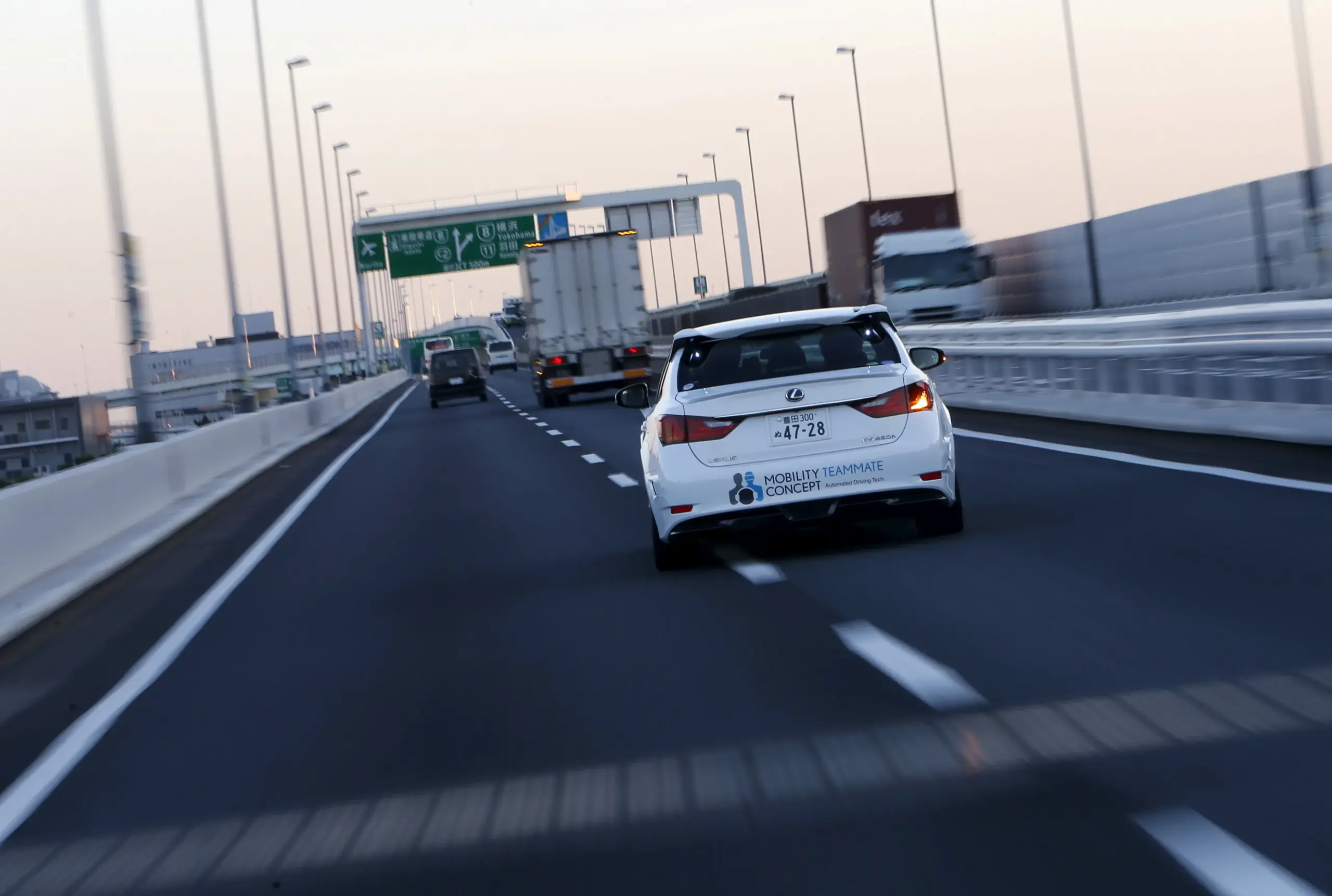
There are moments where having the computer stay in charge would actually put people in more danger. In those scenarios, driver override turns into a safety valve that releases pressure before something worse happens. If drivers can never push through, you risk “safety” tech increasing overall harm.
So override is ethically justified when using it clearly reduces net risk or helps avoid major harm. Not because the load is due at 4 p.m., not because traffic is annoying, but because staying inside the hard limits would realistically hurt someone.
1. Emergency Evasion That Requires Acceleration
Most folks think of safety systems as things that slow you down. In a lot of emergencies, that works. But there are moments where the smartest move is a quick burst of acceleration to get clear of trouble. A stubborn driver override speed limiter that refuses to budge can trap the vehicle in the danger zone.
- A loaded truck sitting at its governed speed with an erratic vehicle diving up behind it might need a few seconds over the limit to open space and avoid getting speared from the rear.
- On a busy multilane road, the only clean way to free up a lane for an ambulance or fire truck closing fast can be to punch it briefly and complete an overtake or merge.
In these kinds of situations, the driver can often see and feel imminent danger better than any camera or map. If they have a solid driving record and good training, and if the system logs that override for later review, ethicists and regulators tend to agree they should be allowed that window to act. You still review the event, but you don’t tie their hands in the moment.
2. Medical Emergencies and Critical Time Sensitivity
Anyone who has run long-haul routes or remote work sites knows this: sometimes that truck or van is the only thing between a person and an hour wait for an ambulance. In those situations, minutes matter, and locking a vehicle at a low speed “for safety” can do more damage than letting it stretch a bit under tight rules.
- A driver hauling a crew member with a severe allergic reaction, heavy bleeding, or stroke symptoms toward the only clinic for 100 km.
- Carrying critical medicines, blood products, or life-saving gear under genuine emergency authorization from dispatch or authorities.
Ethically, fleets shouldn’t leave this in the “use your judgment” bucket. You want a transparent policy that spells out what counts as a medical emergency, who can authorize it, how override is triggered on the HMI, and how the driver records the reason, such as a quick voice note or reason tag. Without this structure, “emergency” slowly turns into code for “I wanted to go faster,” which undermines the whole system.
3. System Malfunction Detected by the Driver
Even the best-tuned automated systems glitch. Sensors get dirty, GPS drifts, maps go out of date, or the software misinterprets road markings. When that happens, the system can start enforcing limits that no reasonable human would choose in that context. In those cases, override is not just allowed. It becomes a duty for a responsible driver.
Real-world examples drivers run into:
- An automated limiter thinks a modern divided highway is a 30 km/h local street because of map data errors, creating a rolling roadblock and real rear-end collision risk.
- Spurious hard braking where an advanced perception stack decides an overhead sign or bridge shadow is a solid obstacle.
Regulatory efforts like UNECE WP.29 automated driving regulations and SOTIF (safety of the intended functionality) recognize that no system is perfect. They expect designers to build in safe deactivation paths if the system misbehaves.
For fleets, that means the driver can override, and the system should capture override logging and immediate reporting so engineering teams can find those edge cases and fix them before the next shift hits the same bad map tile.
4. Environmental Conditions the System Cannot Perceive Reliably
Ask any winter driver about black ice and they’ll tell you: cameras and radar do not always see what your backside and steering wheel feel instantly. Automated systems work off sensor data and models. They have perception blind spots that a human can sometimes work around better.
- Black ice or polished diesel spills that look like normal pavement to the sensors, but feel wrong the instant the vehicle starts to slide.
- Localized flooding, mud, or debris partially hidden by parked vehicles or barriers that the map has no clue about.
- Police, firefighters, or flaggers manually directing traffic against what the traffic lights and signs say, confusing the automated logic.
Right now, human contextual understanding still has an edge in these messy situations. If a driver can see or infer hazards the system misses, it is reasonable to let them override speed or trajectory limits and adapt.
The key is that their actions remain traceable. You want logs and, ideally, a short reason code so you can tell the difference between smart adaptation and someone using “bad weather” as a permanent excuse.
5. Key Principle: Override as Safety Valve, Not Preference
All of this boils down to a simple rule of thumb: override should be about “avoiding harm,” not “getting my way.” If the override does not materially improve safety or mitigate serious harm, it should not be happening.
Fleets can hard-bake that principle into the system by:
- Requiring a fast reason selection from a short list (Medical, Evasion, Malfunction, Directed by Authorities) whenever a soft limit is pushed through.
- Automatically flagging events that step a long way over the governed speed (for example, more than 10% over for more than 30 seconds) so a manager or safety officer reviews them.
- Integrating this into training with a clear driver consent framework, so drivers know upfront what is allowed, what gets reviewed, and what abuse looks like.
When the System Should Prevail (Non-Negotiable Safety Boundaries)
There are places and conditions where letting a driver override is almost guaranteed to raise risk for people who never chose to be part of that risk. Think children near schools, road workers on foot, or staff on a depot floor. In those contexts, the duty of care is heavy, and the right move is to let the system prevail with hard limits that the driver cannot break, no matter how much they argue with the pedal.
1. School Zones and High-Vulnerability Areas
Anywhere kids and unprotected pedestrians mix with heavy vehicles, the priority is simple: protect the vulnerable. You don’t let a driver decide that the school zone speed limit is optional because the last delivery ran late.
The ethical case for non-overridable, geo-fenced governance in these areas is strong:
- Children and cyclists behave unpredictably and are hard to see behind parked cars, foliage, and street clutter.
- Professional drivers are already held to a heightened duty of care near schools, playgrounds, hospitals, and similar locations. Automation should support that, not water it down.
- From a liability shift automation angle, any fleet that allows free override in school zones is giving a plaintiff’s lawyer an easy story about negligence and weak safeguards.
2. Construction Zones and Temporary Worksites
On active work sites, you’ve got people standing a few centimetres away from vehicles that can crush them in silence. Visibility is often lousy. Layouts change daily. In that kind of mess, relying on driver judgment alone is asking for trouble.
Automated governance should enforce non-overridable low-speed caps whenever a vehicle enters:
- Active construction sites with lane shifts and workers on the carriageway.
- Road maintenance or utility works where staff are out of their vehicles.
- Incident response scenes where police, firefighters, or tow operators are on foot close to live traffic.
Standards like UNECE WP.29 and many national rules already expect very strict compliance around posted limits and lane controls here. Letting drivers blow through system limits in this context undercuts any claim that you run an “ethical AI fleet.”
3. Geo-Fenced Industrial and Depot Areas
Inside depots, ports, warehouses, and industrial yards, most serious incidents don’t look dramatic on video. They are slow-speed crush injuries and vehicle–pedestrian or vehicle–forklift conflicts. The energy might be lower, but the consequences are still life-changing.
Configuring non-overridable 5–15 mph (8–25 km/h) caps in those areas is a sensible ethical baseline:
- Workers in high-vis around forklifts and trailers have a reasonable expectation that heavy vehicles in that zone are tightly governed.
- Unlike public roads, fleet operators control these environments almost completely. They decide layouts, walkways, signage, and speed governance, so they can and should engineer risk down with strict automation.
If drivers can override those caps just to shave seconds off a trailer move, the message is simple: productivity mattered more than the people walking nearby.
4. Driver Impairment or High-Risk Behavior Detection
Newer driver monitoring systems are getting good at spotting fatigue, distraction, and intoxication patterns. Eye tracking, steering corrections, erratic speed variation, phone use, and harsh events all feed into that picture. Once the system has solid indicators that a driver is impaired, letting them push the vehicle to higher risk is hard to justify.
In practice, non-overridable reactions here can include:
- Automatically tightening speed caps when impairment scores cross a preset threshold, no matter what the driver does with the pedal.
- Triggering a controlled safe-stop, where the vehicle eases down and pulls over if the driver fails to respond to alerts or attempts to keep pushing limits.
From both a liability and ethics standpoint, once the data show the driver is not behaving as a reliable moral agent, the system has to shoulder more authority. You are no longer just “helping” the driver. You are actively restraining their ability to create harm.
5. Repeat Offences and Proven Risk Patterns
Not every driver will use override in good faith. If you run enough vehicles, you will see the pattern. That is where an override history becomes ethically relevant. A driver with repeated unjustified overrides is telling you something about their risk profile.
- For those drivers, more contexts should move from soft to hard limit status so they have less latitude to push back against the system.
- You may choose to require supervisor approval, targeted coaching, or even route restrictions before giving them access to certain operations.
This is how you build a graduated authority model that drivers earn over time. Responsibility and trust go together. They are not a permanent entitlement just because someone has a license.
Liability Frameworks: Who Is Responsible When Override Goes Wrong?

Every time there is a bad outcome, people line up to ask, “Who could have prevented this?” Automated safety systems complicate that question, because now you have three potential decision-makers in the mix.
You need to sort out who had meaningful control at the moment of impact: the driver, the fleet operator through its configuration and rules, or the manufacturer through the design of the system.
1. Driver Liability When They Override and Crash
In most legal systems today, if a driver knowingly bypasses a safety system and then crashes, they will usually carry a big share of the blame. That is especially true if:
- The system and HMI clearly flagged override as “emergency use only,” with warnings the driver acknowledged.
- Training and your driver consent framework make it obvious the driver understood when override was allowed and what would be logged.
- The incident involves speeding, tailgating, or aggressive maneuvers that a working governor would have prevented.
In those cases, the override logging audit trail becomes powerful evidence. Proper logs that capture time, location, speed, and driver ID can protect drivers who used override for a genuine emergency and also support disciplinary or legal action where override was obvious misuse.
2. Fleet Operator Liability When the System Prevents Override
The trickier, less talked-about side is what happens if the system digs in its heels. If the system blocks override and that hard line leads to worse harm, you can end up shifting the spotlight away from the driver and onto the fleet operator.
Consider scenarios like:
- A driver held to a low cap while trying to reach life-saving medical care in a remote area.
- A truck stuck at a limited speed when boxed in by high-speed traffic, taking a rear-end hit that a brief acceleration could have avoided.
- A vehicle that cannot comply quickly with a lawful police instruction to clear a lane or intersection because the system refuses higher speed.
In those cases, lawyers and regulators will look at the fleet operator, because the operator:
- Set the non-overridable limits and decided how authority allocation works.
- Chose the override policy and whether any emergency exceptions or processes existed.
- Falls under obligations such as the EU AI Act high-risk classification requirements for risk management and human oversight in automated driving systems.
If training, handbooks, or policy documents show the driver was told “never override” and physically could not do so even when it was obviously safer, the operator can be criticized for over-automating and underestimating professional judgment in edge cases.
3. Manufacturer Liability for System Malfunction or Poor Design
Sometimes the driver and the fleet both behave reasonably, but the system just does the wrong thing. That might be consistent false braking, unstable governance that oscillates speeds, or bad map coverage that mislabels speed zones across a region. In that case, the system manufacturer or integrator has to answer for the design and validation of the product.
Guidance from NHTSA on automated vehicle systems and UNECE WP.29 expects manufacturers to:
- Engineer safe failure modes and clear, predictable handover of control to the human when issues arise.
- Provide straightforward, unambiguous HMI communication about what the system is doing and where its limits are.
- Support deep forensic analysis through logs when incidents occur, so root causes can be found and fixed.
The EU AI Act raises the stakes by treating many automated driving and governance functions as high-risk AI. That brings stricter duties for risk assessment, transparency, and oversight. If a system lacks reasonable override options or control transitions and that gap contributes to harm, manufacturers can face both regulatory penalties and civil liability.
4. The Role of SAE J3016 Levels of Automation
SAE J3016 breaks automation into levels of driving automation from 0 to 5. This is not just an engineer’s taxonomy. It shapes what we expect from the human at the controls.
- Levels 0–2 (driver support): The driver is always the main authority. The system only assists. Override is normal and expected, and the driver remains responsible for the dynamic driving task.
- Level 3 (conditional automation): The system drives under certain conditions, but it may call on the driver to take over. Control transition latency becomes a critical issue because the driver might have been partially “out of the loop.”
- Levels 4–5 (high and full automation): The system is meant to handle the whole driving task in defined domains. In some use cases, human override might be heavily restricted or even impossible for safety or regulatory reasons.
Most commercial fleets today run gear in the Level 1–2 bracket. That means drivers are still expected to exercise moral agency and correct the system in emergencies. At the same time, that doesn’t mean they get a free pass everywhere. Hard limits in school zones, depots, and other high-risk spots still make sense, even at Level 1–2.
5. Documentation, Consent, and Fairness
Ethically sound liability management is not just about who pays repairs. It is about basic fairness to drivers and the public. Fleets that want to stay on the right side of both law and ethics should maintain:
- A written fleet safety system override policy that gives examples of when override is allowed, when it is forbidden, and how it is reviewed.
- Training records and a signed driver consent framework to show drivers knew about monitoring, limits, and overrides before they were held accountable.
- Incident investigation procedures that weigh both driver testimony and vehicle data, instead of automatically assuming the log file is always right.
This approach fits with IEEE 7000, which calls for ethical concerns to be addressed throughout the system design process. You are not bolting fairness and transparency on at the end. You are designing them into your fleet automation from the start.
Graduated Authority Models: The Middle Ground
In real fleet operations, “the driver always wins” and “the system always wins” are both bad policies. The sweet spot is a graduated authority model that changes how forcefully the system intervenes based on context, history, and risk. This lets you respect driver skill without handing them unlimited power in every scenario.
1. The Four Typical Intervention Layers
A practical way to think about this is to climb through four intervention layers, each one taking a bit more control away from the driver as risk increases:
- Advisory warnings: The system watches speed, distance, lane position, or road conditions and throws visual or audible alerts if it sees something sketchy. The driver still has 100% control. This stage is about awareness, not enforcement.
- Resistive feedback: The system starts talking through the controls. You feel resistance in the pedal, a nudge in the steering, or a vibration in the seat when you push toward an unsafe action. You can still override with effort, but the vehicle makes its disagreement obvious.
- Soft limits (overridable with logging): Now the system caps speed or certain behaviors by default. If the driver really needs to go past that limit, they must take clear, intentional action, such as a pedal press-through or a long-press on the HMI. Every one of these events gets logged for review.
- Hard limits (non-overridable): In the highest-risk contexts, the system locks in constraints that the driver simply cannot break. Think school zones, depots, or serious impairment. The limits are enforced physically and signaled clearly.
A lot of modern fleet strategies are heading in this direction because it gives you room to tune your response instead of flipping between total trust and total lockdown. For a deeper technical breakdown, see our write-up on graduated intervention levels.
2. Configuring Authority by Context
Good authority models do not treat a midnight empty highway the same as a 3 p.m. school run. They should react to context. That means tying automation behavior to where the vehicle is, what time it is, and what the conditions look like.
Most fleets can build a simple matrix keyed off:
- Location: open highway, dense urban streets, school zones, depots, ports, customer yards.
- Time of day: night driving often brings fatigue and lower visibility, so limits might tighten after a certain hour.
- Weather or traffic conditions: using telematics, traffic feeds, or on-board detection to know when grip is poor or congestion is heavy.
- Regulatory constraints: such as local maximums for HGVs or special environmental rules.
In practice you might end up with rules like:
- On a clear highway: a soft speed limit of 90 km/h with the option to override up to 100 km/h for up to 30 seconds, with every event logged and reviewed when needed.
- In a school zone between 08:00 and 16:00: a hard speed limit of 30 km/h, non-overridable no matter what schedule pressure exists.
- Inside a depot: a hard limit of 10 km/h paired with automatic braking or alerts near known pedestrian walkways and crossing points.
3. Configuring Authority by Driver Competence and History
Not all drivers are the same. Some treat safety systems as support. Others treat them as obstacles. Ethically, it makes sense to adjust authority based on individual driver competence and history instead of using a one-size-fits-all rule.
- For new drivers, drivers with recent incidents, or those with risky patterns in telematics data, you might run more contexts with hard limits and narrower override windows.
- For experienced drivers with clean histories and good override behavior, you can afford more soft limits and more trust, because the logs show they use that authority responsibly.
This setup respects professionalism while still keeping guardrails in place. It also creates an incentive. Safe performance across months or years can unlock a little more flexibility, which most good drivers appreciate more than a generic “we don’t trust any of you” policy.
4. Managing Automation Complacency and Vigilance Decrement
As fleets bring in more automation, a subtle problem sneaks in. Drivers start to think, “The system will catch it.” Their attention drifts. That is automation complacency. Over long shifts, their ability to watch a mostly stable system starts to drop, which is vigilance decrement. Both matter a lot when you expect them to step in and override during rare emergencies.
A graduated model can help keep drivers engaged by:
- Using advisory warnings and gentle haptic nudges as early steps, which remind drivers they are part of the loop long before a hard intervention kicks in.
- Requiring light periodic inputs, like a small steering touch or pedal movement, to confirm they are still awake and paying attention when assistance features are active.
- Designing the HMI so Level 0–2 systems are always framed as “you are in charge” helpers, not replacements. The system can assist, but the driver knows they own the outcome.
5. Policy, Not Just Technology
You can buy all the clever hardware you like, but if your policies around override are vague or unfair, you will still have headaches. Graduated authority needs a clear rulebook behind it.
- Spell out in plain language what each intervention level means for drivers, including examples and screenshots of HMI messages they will see.
- Build disciplinary frameworks that look at patterns of misuse instead of hammering people for a single borderline event where context was messy.
- Bring unions or driver reps into the discussion so that authority allocation feels legitimate. People are far more likely to follow rules they had a hand in shaping.
This is where the high-level ideas in IEEE 7000 show up in daily fleet governance. Ethics are not a slide deck. They are the way your rules, your technology, and your people work together on a rainy Tuesday afternoon.
How Resolute Dynamics Handles Driver Override in Speed Governance
Resolute Dynamics treats driver override as two problems joined at the hip: a technical design problem about how the system behaves and an ethical governance challenge about who gets authority when. The Control module is built straight off those principles, so fleet operators can line up their policy, their risk appetite, and their automated tools without fighting the platform.
1. Configurable Override Policies Per Zone and Scenario
The Control module gives fleets fine-grained control over override policies. You are not stuck with a single global configuration that fits nobody perfectly.
- Define different max speeds and override rules for highways, urban streets, school zones, depots, ports, mines, and specific customer sites.
- Apply time-based rules, such as tightening limits during school hours, night shifts, or periods of known high traffic risk.
- Set different authority levels for each driver group, taking into account competence assessments, training completion, and incident history.
If you want deeper detail on how those interventions work under the hood, have a look at our overview of the speed governance Control module, which walks through typical tuning strategies.
2. Graduated HMI Escalation and Control Transition
Handing control back and forth between human and system is where many platforms get drivers into trouble. Resolute’s HMI is designed so control transition is predictable and clearly signaled instead of surprising.
- Stage 1: Advisory alerts pop up as speed or risk approaches soft limits. These are early warnings, not commands.
- Stage 2: Resistive feedback at pedals and controls kicks in. The vehicle “pushes back” slightly to let the driver know what the system thinks is safe, while still letting them decide.
- Stage 3: Soft caps come into play. The system actively holds a limit, but a deliberate action such as a confirmed press-through or HMI long-press allows override where policy says it is allowed.
- Stage 4: Hard caps apply in defined high-risk zones. The HMI makes it crystal clear that limits are locked and non-negotiable so the driver is not left wondering why the truck will not accelerate.
This graduated HMI behavior avoids the “who is driving right now?” confusion that often causes incidents around partial automation. Drivers always have a sense of whether they are asking for permission, negotiating, or simply being blocked.
3. Full Override Logging and Audit Trail
Every time a driver and system “disagree,” that story should not vanish into thin air. The Control module records every override interaction as part of a detailed audit trail.
- Core data like timestamp, GPS location, vehicle speed before and after override, and direction of travel.
- Context tags such as zone type (highway, school zone, depot) and risk classification in force at that location.
- Driver ID and any selected reason code if the override came through a soft limit that requires justification.
This gives fleets a reliable record for:
- Accident and near-miss investigations, so you can assign responsibility based on facts instead of guesswork.
- Spotting systemic problems such as poor map data or badly tuned limits that force drivers into frequent legitimate overrides.
- Improving fleet operator duty of care by feeding real-world events back into safety, training, and policy updates.
4. Fleet Manager Dashboards for Pattern Analysis
Logging only pays off if you can actually see the patterns. Resolute’s dashboards help safety and operations teams move from anecdotes to data.
- Track override frequency by driver, vehicle class, route, region, or customer site, and see where problems cluster.
- Spot locations where drivers frequently, and legitimately, need to override, which often signals policy miscalibration, missing map data, or a mismatch between posted limits and real-world conditions.
- Monitor how override behavior changes after training programs, policy tweaks, or hardware upgrades, so you can measure what actually worked.
Handled properly, override stops being a hidden, suspicious event and turns into a structured feedback channel between the road, the system, and the people writing the rules.
5. Alignment with Emerging Ethical and Regulatory Frameworks
Resolute Dynamics is not your legal department, but the design of Control leans hard on the direction regulators are already headed. That way, fleets are not building override policies in a vacuum.
- We track the EU AI Act high-risk classification for automated driving and speed governance, which emphasizes clear human oversight, risk management, and transparency.
- We follow NHTSA automated vehicle guidance for safe operation, data recording, and handover behavior.
- We draw on IEEE 7000 to embed ethical concerns, like fairness and accountability, into the system design process rather than patching them on later.
For fleets, that alignment makes it easier to show that your override policies come from a coherent ethical AI framework, not from guesswork or short-term cost-cutting.
Common Mistakes in Driver Override Policy (and How to Fix Them)

Even safety-focused fleets trip over the same few rakes when they first bring in speed governance and automated assistance. Most of the trouble comes from policies that look good on a whiteboard but don’t match real-world driving or don’t give drivers a fair shake.
Mistake 1: Binary “Always Driver” or “Always System” Thinking
Problem: Some fleets either hand drivers all the power to override whenever they like or clamp down so hard that the system is the boss in every situation. Both extremes miss context and frustrate drivers, regulators, or both.
Fix: Build a graduated authority model. Use clear soft and hard limits that vary by zone, driver group, and scenario. Tie every overridable limit to logging. Use those logs to adjust thresholds, not just punish people.
Mistake 2: No Clear Emergency Protocol
Problem: Drivers are told, “Only override in emergencies,” but nobody defines what actually counts as an emergency. There is no standard process, no agreed list of reasons, and no training on how to document it.
Fix: Draft and roll out an emergency override protocol. Include concrete examples, the exact HMI steps to trigger override, and how to tag the reason. Include this in onboarding, refresher training, and toolbox talks with real scenario walk-throughs.
Mistake 3: Ignoring Control Transition Latency
Problem: Systems expect drivers to snap back into full control instantly after long stretches of automation. In practice, reaction times are slower, and situational awareness may be weak.
Fix: Design both HMI and policy around realistic control transition latency. Use early, graded warnings before asking for full takeover. Avoid sudden mode changes or hard lockouts that shock the driver instead of supporting them.
Mistake 4: Lack of Informed Consent and Transparency
Problem: Drivers only find out that every override is tracked, scored, and used in HR decisions after a disciplinary meeting. That destroys trust in both the system and management.
Fix: Put an informed consent driver monitoring process in place. Explain in plain language what is monitored, why, who can see the data, and how override affects their authority or coaching. Get written acknowledgement and keep that record.
Mistake 5: Not Using Override Data as a Learning Tool
Problem: Override logs are seen purely as ammunition for blame. No one looks at them to understand where the system or policies are wrong.
Fix: Treat override data as feedback from the front line. Investigate clusters of overrides by location, time, or context. If several good drivers keep needing override at the same spot, the problem might be your rules or your map, not the drivers.
Mistake 6: Overlooking Insurance and Contractual Impacts
Problem: Safety policies get drawn up in a bubble, without checking how they interact with insurance requirements, customer contracts, or union agreements.
Fix: Bring insurers, major customers, and driver reps into the discussion early. Tune your override policies so they support contractual safety commitments, help with claims defensibility, and ideally lower risk premiums instead of inflating them.
FAQ: Driver Override Ethics and Fleet Policies
Should drivers be allowed to override automated safety systems?
Yes, but the door should only open in clearly defined, exceptional circumstances. Genuine emergencies, obvious system malfunctions, and a small set of situations where strict compliance would raise immediate risk all qualify. Schedule pressure, convenience, and “making up time” do not. Policy needs to spell that out up front.
Can a fleet forbid all override to minimize liability?
Trying to forbid all override often sounds good in a meeting and looks bad after the first serious incident. If a no-override rule contributes to more harm in an emergency, regulators and courts can view that as negligence. A better stance is a graduated model with firm non-overridable limits in high-risk contexts and tightly constrained emergency override options elsewhere.
How do regulations like the EU AI Act affect override policies?
The EU AI Act treats many automated driving and speed governance systems as high-risk. That means fleets and suppliers must show robust risk management, human oversight, and transparency. Override and control transitions need to be explainable on paper and in practice. You should be able to show why override is allowed or blocked in each context if a regulator asks.
What is the role of SAE J3016 levels of automation in override ethics?
SAE J3016 frames who is supposed to be in control for each level. Most current fleet tech sits at Level 1–2, which assumes the driver is the primary decision-maker and bears most responsibility. That supports a policy where drivers can override in true emergencies, but you still lock in hard limits around areas like schools or depots where third-party risk is highest.
How does driver monitoring and consent fit into ethical override?
Using monitoring tools to spot fatigue or distraction is fine ethically if you lean on informed consent. Drivers should know what sensors are active, what triggers tighter limits or safe-stop behavior, and how that data is used in coaching or incident review. Surprises are what hurt trust, not the monitoring itself.
Do insurance companies care about override policies?
Very much. Insurers are paying close attention to automated safety systems, the presence of override, and how logged data is handled. Fleets that can show a clear duty of care, well-defined override rules, and a strong audit trail often have better positions in claims disputes and are in a stronger place to argue for reduced premiums.
What should unions or driver associations ask about override?
Representative groups should push for clarity around when override is permitted, what exactly gets logged, who sees that data, and how it feeds into discipline or bonus schemes. They should also ask to review override statistics with management, so policy refinements reflect both safety goals and drivers’ lived experience.
Where can I learn more about the technical side of intervention levels?
This piece focuses on ethics, practice, and liability. For control logic, calibration details, and integration with other safety standards, start with our guide on graduated intervention levels, and for a look at how this all ties into automotive functional safety, see our overview of ISO 26262 safety integrity.
Final Summary and Next Steps
Ethical driver override in automated safety systems is not a choice between humans or machines running the show. It is about building a fair partnership where professional drivers still have enough authority to act as moral agents in emergencies, and automated systems enforce firm boundaries in the places where the stakes for other people are highest.
By grounding policies in frameworks like SAE J3016, the EU AI Act, NHTSA guidance, and IEEE 7000, and by adopting graduated authority models backed by logging, training, and informed consent, fleets can raise safety, keep trust with drivers, and handle liability in a way that stands up under scrutiny.
If you are revising your fleet’s override policy, your next practical move is to map out your risk contexts. Decide where drivers may override, where the system must hold firm, and how events are logged and reviewed. Then configure your platforms, such as Resolute Dynamics’ Control module, so the technology enforces those decisions in a way drivers can see and understand.
For a closer look at how these ethical principles translate into the nuts and bolts of intervention strategies and platform features, start with our in-depth guide on graduated intervention levels and our discussion of SOTIF compliance for override.