ISA isn’t one standalone feature, it’s a combination of cameras, GPS, and onboard software working together. It tracks speed limits and monitors your current pace, reacting instantly when there’s a mismatch. Picture a co-driver with sharp eyes and quicker reflexes, stepping in just enough to keep things under control.
What Fleet Managers Should Know About Intelligent Speed Assistance in 2025
Jul 2, 2025 Resolute Dynamics
Let’s face it — speed violations are expensive, dangerous, and totally avoidable in 2025.
Global regulators have turned up the heat. The EU’s mandatory ISA rollout on all new vehicles has set the bar. Countries in the Gulf, India, and parts of Asia aren’t far behind. ISA isn’t just a trend. It’s the new baseline.
Our ISA-based speed control system applies this across a fleet.
But the real kicker? Compliance is no longer something you check off with paperwork. With AI and connected vehicle systems, fleets are flipping the switch from reactive reporting to active prevention. Think: alerts before a driver hits a speed trap, not after. A system that steps in when a driver’s foot doesn’t.
This isn’t the future. It’s here. And fleets that lag behind? They’ll pay for it — in fines, fuel, and friction.
✅ Key Takeaway
Intelligent Speed Assistance (ISA) is no longer optional for fleet managers—it’s a strategic upgrade. With 2025 marking critical legal shifts and global adoption, ISA offers more than compliance: it actively cuts speeding incidents, improves fuel use, lowers insurance costs, and empowers safer driving through AI.
To stay competitive and avoid costly gaps, fleet leaders must assess their vehicles, train drivers, and integrate ISA into broader safety systems now—not later.
What Is Intelligent Speed Assistance (ISA)?
ISA is like your fleet’s onboard conscience — powered by sensors and smarter than any speed sign. It blends GPS, speed limit recognition cameras, and digital mapping to detect the current legal limit, and then guides or enforces driver compliance.
There are two common types:
- Informative ISA: Alerts the driver with a beep, vibration, or dashboard light when they go over the limit.
- Intervening ISA: Automatically adjusts acceleration or resists further throttle input when the limit is exceeded.
Unlike traditional speed governors, ISA adapts in real time — it doesn’t just cap speed, it responds to road conditions. And it syncs with systems many fleets already rely on, like ADAS, connected telematics, and vehicle control units.
For a deeper dive into how ISA components interact — including sensors, overrides, and safety logic — check out our technical breakdown:
How ISA Works
ISA Legislation & Global Rollout: What Fleet Managers Need to Know

2025 isn’t just another year on the calendar — it’s a regulatory inflection point for commercial vehicle safety.
European Union (EU)
The EU kicked off the global movement by making Intelligent Speed Assistance mandatory on all new vehicles starting July 2022 under General Safety Regulation (EU 2019/2144). That includes passenger cars, vans, trucks, and buses. Enforcement is now ramping up across member states. By 2024, even niche manufacturers were required to comply. For fleet operators in or sourcing vehicles from Europe, this isn’t optional — it’s a must.
United Arab Emirates (UAE) and Gulf Cooperation Council (GCC)
The UAE is quietly leading ISA experimentation in the Gulf. Pilot programs are underway, particularly targeting commercial and heavy-duty fleets operating in Abu Dhabi, Dubai, and Sharjah. ISA is also being discussed within GCC transportation frameworks as part of broader AI-led road safety reform. It’s not fully mandated yet, but adoption incentives are likely to emerge soon — especially in logistics, waste management, and public transport fleets.
India
India’s safety blueprint, AIS-185, includes ISA under its review for commercial vehicle enhancements. While not mandated nationwide yet, major logistics players, especially those tied to international supply chains or e-commerce, are already testing ISA integrations. OEMs such as Tata and Ashok Leyland have hinted at offering ISA-ready options in newer models.
ASEAN Region (Southeast Asia)
Adoption across ASEAN countries (like Malaysia, Indonesia, and Thailand) remains fragmented. However, fleet operators working cross-border are driving demand for standardized ISA tech. With rising accident rates tied to speed violations, pressure is mounting on local governments to consider mandatory implementation — especially for cross-border haulage and tourism fleets.
Why This Matters for Fleet Managers
Here’s the deal: regulatory compliance is no longer a static checklist. It’s evolving by region, vehicle type, and date of manufacture. Some countries apply ISA rules to passenger cars first. Others focus on high-risk commercial segments. This mosaic of regulations can derail procurement timelines if you’re not watching the details.
- Buying new trucks in 2025? Make sure ISA is built-in.
- Retrofitting older vehicles? Some regions may allow phased adoption or exemptions — others won’t.
- Exporting/importing vehicles? Compliance requirements shift fast between regions.
Overlook any of this, and you’re likely budgeting for costly retrofits — or facing downtime when your fleet gets grounded at the border or flagged by regulators.
Don’t wait until compliance becomes a crisis. Talk to Resolute Dynamics and get a plan tailored to your fleet’s size, vehicle mix, and operating regions. We’ll help you move from reactive fixes to proactive safety.
Benefits of ISA for Fleet Operations
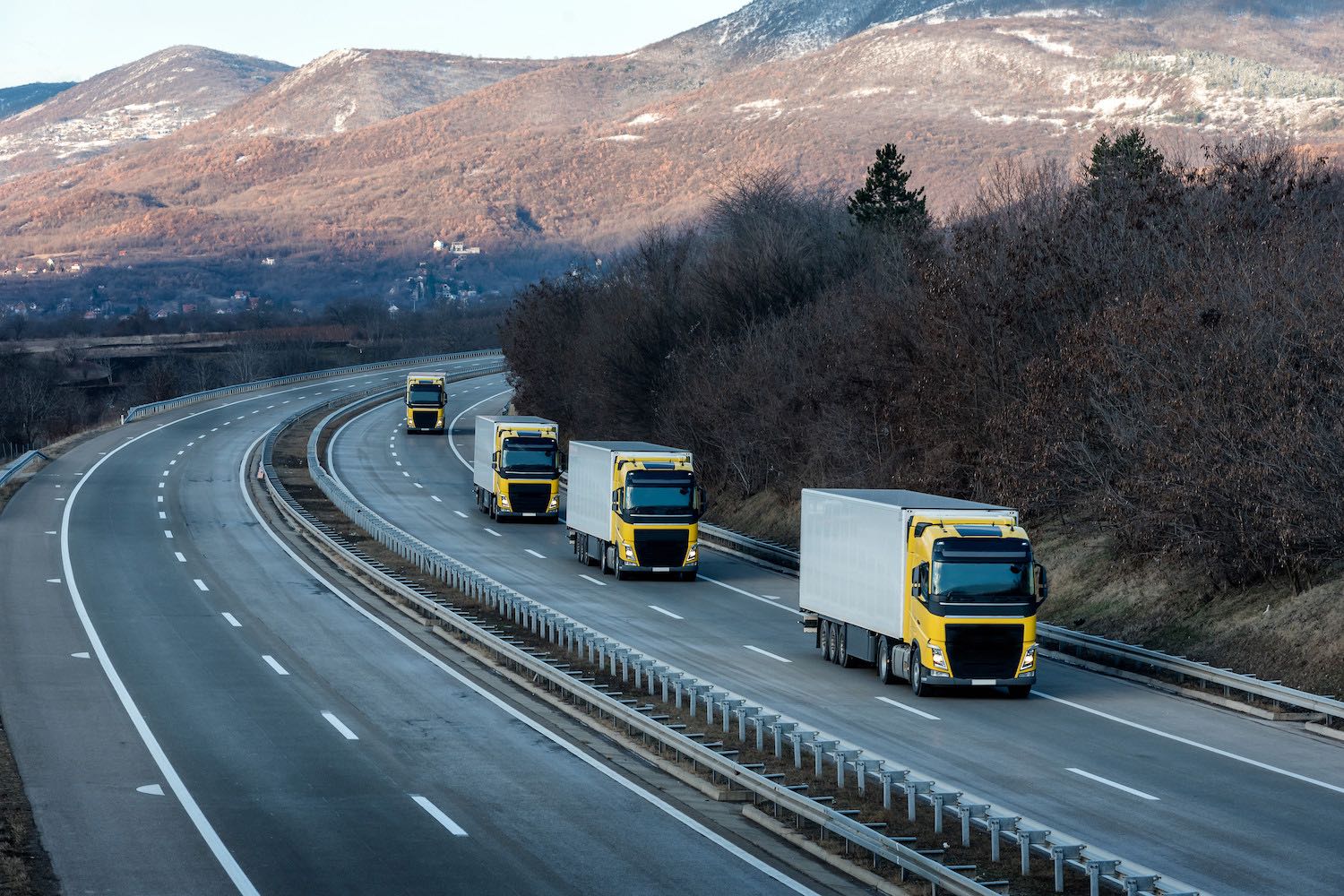
Let’s talk brass tacks. ISA brings more than safety sermons:
- Speeding drops. ISA nudges drivers back into compliance. One large UAE-based fleet saw violations cut by 35% within 90 days.
- Fuel burn goes down. No more over-revving on highways or in urban choke points.
- Insurance providers smile. Safer fleets = fewer claims = lower premiums.
- Driver performance improves. ISA data helps coach drivers in real time. Less guesswork, more accountability.
And here’s the twist: many drivers report feeling less stressed. ISA turns speed control into a shared responsibility, not just a solo chore.
Challenges and Misconceptions Around ISA Adoption
Adopting new tech in fleet operations is never frictionless — especially when it influences driver behavior. Intelligent Speed Assistance (ISA) is no exception. But many of the concerns floating around are either outdated or based on partial information. Let’s break down the three most common objections — and what fleet managers really need to know.
Misconception 1: “ISA feels too controlling.”
This is the most emotional objection — and it’s usually from drivers. They worry ISA is like having Big Brother in the cab, constantly watching and restricting them.
Here’s the truth: early resistance is normal, but most of it fades after drivers experience the benefits firsthand. ISA isn’t there to punish them — it’s there to protect them from unintentional infractions and risky habits. And when tickets, warnings, or license point deductions start dropping? Drivers quickly appreciate the system.
How to ease this concern:
- Offer training before rollout.
- Let drivers test ISA in a closed environment.
- Show data on how ISA reduced tickets and improved fuel savings in similar fleets.
Misconception 2: “It’s too expensive to install.”
This one is common — and increasingly untrue.
A few years ago, ISA systems were a niche, premium add-on. But now? The hardware is smaller, smarter, and more cost-effective. Thanks to mass adoption in the EU and expanding supply chains, ISA kits are affordable — especially when balanced against the costs of speeding tickets, accidents, fuel waste, and rising insurance premiums.
In fact, many fleets report full ROI in 9–12 months, purely from reduced violations and better fuel economy. That’s without even factoring in downtime or driver churn from safety incidents.
Misconception 3: “My vehicles are too old for ISA.”
False. ISA isn’t limited to brand-new trucks with futuristic dashboards.
Aftermarket ISA kits are widely available, and many are platform-agnostic. Whether you’re running older vans, pickups, or heavy-duty rigs, retrofitting is entirely possible. Modern systems rely on external cameras, GPS modules, and OBD-II ports — not full vehicle redesigns.
Also, companies like Resolute Dynamics offer modular setups that can work across mixed fleets — minimizing complexity while maintaining compliance.
Bottom Line: Misconceptions are manageable.
Most objections come from outdated information or a lack of exposure to modern ISA systems. The technology has matured, prices have dropped, and driver attitudes shift with the right rollout strategy.
So, before writing ISA off, ask:
- Have you seen the newest retrofit options?
- Have you talked to providers who specialize in commercial fleet use cases?
- Have your drivers actually tested the system?
Chances are, what looked like a headache in 2020 is a no-brainer in 2025.
How Does Intelligent Speed Assistance Work?
Let’s break down each part of the system and how they work together.
Road Sign Recognition (RSR)
The first line of defense in ISA is a forward-facing camera, usually mounted near the rearview mirror. This camera is designed to scan the road ahead in real time. It’s trained using computer vision and image recognition algorithms to detect and interpret:
-
Speed limit signs
-
Temporary signs (like construction zone limits)
-
Digital or LED traffic signs
-
Additional cues like “school zone” warnings or weather-related changes
The camera interprets symbols, numbers, and context, just like a human driver. It can distinguish between speed limit signs and other signs using AI models trained on massive datasets of real-world road environments.
GPS & Digital Map Integration
While road signs give immediate information, GPS and digital maps provide a broader picture. The ISA system constantly checks the vehicle’s geolocation and compares it to a rich, regularly updated map database that includes:
-
Local speed limits (urban, rural, highways)
-
School zones and seasonal limits
-
Country-specific regulatory differences
-
Areas with dynamic or variable limits
Some systems also pull in real-time traffic data from the cloud to adjust based on current driving conditions.
This redundant design, combining visual recognition with GPS/map data, ensures that even if a sign is missing, damaged, or blocked, the vehicle still “knows” the correct speed.
Speed Comparison Logic
Once ISA has the current speed limit (from either the sign or GPS map), it continuously compares it to the vehicle’s actual speed using data from the speedometer, wheel speed sensors, and engine control unit (ECU).
If the vehicle is driving faster than allowed, the system calculates:
-
How much over the limit the vehicle is
-
How long the vehicle has been over the limit
-
Whether it’s safe to intervene or just warn the driver
This decision-making process is governed by a logic algorithm, often based on ISO 15622 (Adaptive Cruise Control protocols) and regional road safety standards.
Driver Alerts or Assistance
If a speed violation is detected, the ISA responds. How it responds depends on the system type:
-
Advisory Mode: Gives the driver a visual or audio warning, for example, a flashing icon or an alert chime.
-
Haptic Feedback: Some systems gently resist if the driver pushes the accelerator too far, giving a “pushback” or pedal resistance.
-
Combo Alerts: Many systems use multiple types of alerts for higher effectiveness, especially in urban zones or near school areas.
These notifications are designed to be non-intrusive but noticeable, encouraging voluntary compliance.
The Technology Behind the Scenes
ISA systems rely on edge computing, meaning they process data locally within the vehicle. This ensures split-second decisions without needing cloud access. However, updates to maps, regulations, and AI models are regularly synced when the car connects to the internet via telematics.
With our real-time telematics and cloud integration platform, fleets can synchronize live data from every vehicle to a unified dashboard, enabling instant updates, compliance checks, and predictive insights without manual intervention.
The intelligence of the system improves over time using:
-
Machine Learning: To better recognize signs, even in poor visibility.
-
Sensor Fusion: Combining radar, lidar, GPS, and camera data.
-
Real-Time Telematics: To send and receive fleet-wide updates or event alerts.
Why This Matters
The ISA system doesn’t just stop you from speeding, it understands where you are, what the legal expectations are, and how best to guide or control your driving. This makes it not only a smart tool but an essential safety companion for modern mobility, especially as we transition into autonomous and connected vehicle ecosystems.
Types of ISA Systems
Not all ISA systems are the same. There are three main types:
-
Advisory ISA: Just gives a warning when you’re speeding. You stay in full control.
-
Supportive ISA: Helps you slow down but lets you override it by pressing harder on the gas.
-
Mandatory ISA: Actively limits your speed and doesn’t allow override, except in emergencies.
Most cars today come with the first two types. Fleet vehicles or public buses may use stricter versions.
Retrofit vs Factory-Fit ISA
Let’s cut to it, if your vehicles are straight off the line post-2024 in the EU, ISA is probably already embedded. But most fleets don’t run shiny, brand-new units across the board.
So what happens when you’ve got a mixed bag?
- Factory-Installed ISA: Seamless, OEM-validated, and locked into the vehicle’s ECU. Minimal manager involvement.
- Retrofit ISA Kits: Plug-and-play kits with external sensors, GPS modules, and camera-based sign readers. Slightly more work, but far more flexible for older fleets.
Key question: Are your vehicles electronically compatible? That means CAN bus access, sensor space on the dash, and integration with telematics systems. Work with ISA providers (like Resolute Dynamics) who offer compatibility audits upfront.
ISA Training for Drivers and Fleet Managers
Here’s where it often breaks down, not in tech, but in trust. Drivers worry ISA will limit their control or “babysit” them. And managers worry about call volume when something beeps and no one knows why.
Here’s how smart fleets roll it out:
- Short driver workshops (in-person or virtual) on how ISA functions, what the alerts mean, and when intervention happens.
- Manager onboarding into the dashboard, how to read reports, set policy thresholds, and create automated compliance alerts.
- Opt-in test periods, where ISA is advisory only, to build confidence before full activation.
The goal isn’t perfection on day one. It’s consistent over time. And once drivers see ISA prevents surprise fines and helps defend against blame in disputes, buy-in skyrockets.
How ISA Data Reduces Legal Risk
When you combine ISA with automated proof, you get a powerful legal shield. Here’s how it works:
-
ISA prevents speeding in the first place, which reduces traffic violations.
Modern intelligent speed management systems take this a step further by automatically adjusting vehicle speed in real time to match road limits and traffic conditions. These systems ensure compliance long before a violation occurs, drastically lowering the chance of legal exposure while improving driver accountability and overall safety performance.
-
If an incident still happens, automated proof tells the full story, clearly and quickly.
-
Insurance claims become easier, faster, and often less expensive.
-
Courts and investigators see real, unedited data, not opinions.
With this setup, you’re not just reacting to problems. You’re preventing them and building a digital trail that protects your fleet.
How ISA Integrates with Resolute Dynamics’ AI Control Stack
ISA isn’t a bolt-on gadget. It’s part of a connected safety system working behind the scenes. At Resolute Dynamics, we break this down into three smart layers:
- Capture: AI vision systems scan speed signs in real time — including static roadside markers, dynamic digital signs, and temporary work-zone limits. Nothing gets missed.
- Connect: The platform receives continuous input from GPS data, municipal speed feeds, and in-vehicle sensors — making decisions based on the current road environment, not yesterday’s map.
- Control: When speed limits are exceeded, the system can gently reduce throttle or block further acceleration. Adjustments are smooth, timely, and invisible to passengers.
Case Study (Hypothetical):
A 200-vehicle fleet in Dubai integrated ISA with the Resolute Dynamics platform. Within 4 months:
- Speeding violations dropped by 35%
- Fuel consumption improved by 9%
- Driver risk scores improved across the board
Choosing the Right ISA-Enabled Solutions
All ISA systems aren’t created equal. Here’s what to look for:
- Customization: Can the system match your fleet’s profile — trucks vs. vans vs. last-mile electric delivery units?
- Data accuracy: Is the speed limit data real-time, and does it update across regions?
- Integration: Will it talk to your existing telematics and ADAS stack?
Bonus: AI-driven models reduce false positives. Nobody wants an ISA that freaks out in a tunnel or thinks a graffiti speed sign is real.
Choosing the right tech partner? That’s like choosing the right co-pilot — it should help you steer, not stall.
Preparing Your Fleet for 2025 and Beyond
Start now. Seriously. Here’s your checklist:
- Run a fleet audit. Identify vehicles already equipped, and those needing retrofitting.
- Train your drivers. Get their input. Show them the benefits. Incentivize usage.
- Review your safety policy. ISA changes behavior — update procedures to reflect that.
- Partner with experts. Not sales reps — problem solvers who know commercial fleets inside-out.
The smoother your rollout, the less disruption. And the faster you see results.
The Future of Safe, Smart Speed Compliance
ISA is just one piece of a larger shift — toward connected, self-regulating fleets that learn and adapt in real-time.
Think of ISA as your gateway drug to smarter compliance. Once you see the gains, you’ll want more: lane discipline systems, fatigue monitoring, predictive maintenance.
And while regulators might have started the ISA conversation, it’s data, safety, and performance that will keep it going.
FAQs
Is ISA mandatory for fleets in the Middle East?
Not yet across the board, but UAE and other GCC countries are moving in that direction.
Can drivers override it?
Depends on the setup. Some systems allow brief overrides; others are stricter. You control the settings.
Will it slow down delivery times?
Only if your drivers were speeding to begin with. The goal is safer, not slower.
Can ISA work on mixed-use vehicles?
Yes. Buses, vans, pickups—you name it. As long as there’s access to speed data, ISA can be integrated.