ISA System Failures: What Happens & How to Prevent It
Jan 12, 2026 Resolute Dynamics
In today’s fast-moving world of fleet safety and smart vehicles, ISA systems—short for Intelligent Speed Assistance—are becoming essential. Governments are making them mandatory, insurers are demanding them, and fleet managers are relying on them to reduce accidents and improve driver behavior.
But like all technology, ISA systems can fail.
When they do, the results can be serious: missed speed limits, compliance issues, and in some cases, deadly consequences. So let’s dive deep into what causes these failures, what happens when they occur, and how to prevent them before they turn into costly problems.
What Is an ISA (Intelligent Speed Assistance) System?
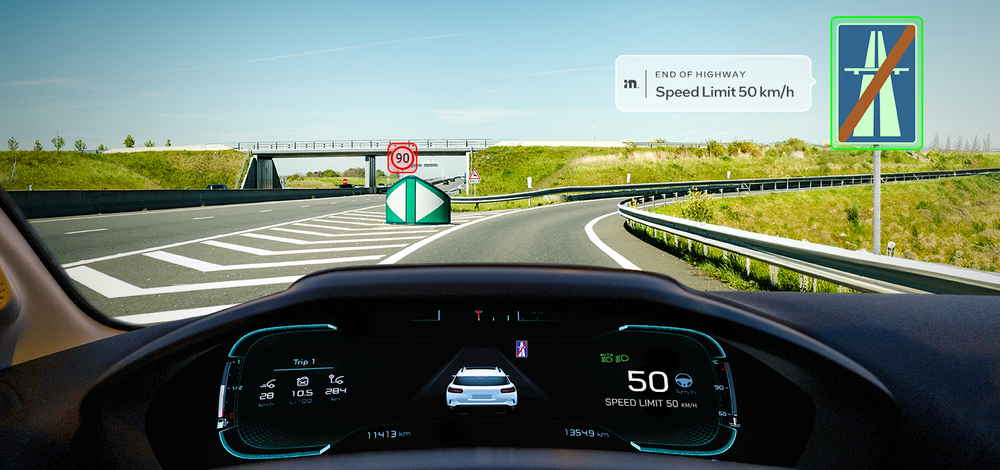
An ISA system is a safety technology that helps drivers stay within speed limits. It uses GPS, camera sensors, and real-time data to monitor the speed of the vehicle and compare it to the legal limit. If the driver goes too fast, the system warns them—or in some cases—automatically slows the vehicle down.
It’s part of a bigger push toward ADAS (Advanced Driver Assistance Systems), which includes things like lane-keeping, automatic braking, and collision alerts.
ISA is already mandatory in the EU for new vehicles, and it’s gaining traction in the UAE, India, and other parts of Asia.
Common Causes of ISA System Failures
Even with advanced tech, Intelligent Speed Assistance (ISA) systems are not immune to failure. When they malfunction, it’s often due to a combination of hardware, software, environmental, or human factors. Let’s break each down with more depth to help you diagnose problems before they turn into risks.
1. Hardware Malfunctions
ISA systems rely heavily on physical components like cameras, radar sensors, ECUs (Electronic Control Units), and speed signal interfaces. These parts face constant wear in real-world driving conditions.
Sensor Misalignment
Even a minor impact—like hitting a pothole or curb—can knock the forward-facing camera out of alignment. When that happens, the system might:
-
Misread speed signs
-
Fail to detect road limits altogether
-
Provide incorrect alerts to the driver
This is especially common in urban delivery fleets, where vehicles navigate tight turns and uneven roads daily.
Camera Obstruction
Dirt, dust, or mud on the camera lens can block its view. In cold climates, ice or snow buildup is another issue. Sun glare during early mornings or sunset can also temporarily blind the system.
Without a clear view, the ISA can’t “see” speed signs, which defeats its main purpose: intelligent speed compliance.
Tip: Install automated lens cleaning systems or train drivers to check cameras during routine inspections.
Component Degradation
Like any electronics, ISA system components—especially circuit boards and connectors—age over time. Heat, vibration, and moisture inside the vehicle cabin or engine bay can speed up deterioration.
Failing ECUs might misprocess data or send false positive alerts, confusing drivers and reducing trust in the system.
2. Software Glitches
ISA performance heavily depends on software accuracy—including location mapping, firmware logic, and data fusion algorithms. When the software goes wrong, even perfect hardware can’t save the system.
GPS Drift
In areas with urban canyons (tall buildings) or tunnels, the GPS signal can bounce or drop entirely. This causes the ISA to temporarily think the car is somewhere else—or nowhere.
As a result:
-
The system might show the wrong speed limit
-
The vehicle might get no speed warning at all
-
Speed recommendations could lag behind actual location
Map Data Errors
ISA systems use digital maps to understand posted speed limits, especially when signs are not visible. If your vehicle’s maps are outdated, missing data, or improperly configured, the system may:
-
Enforce the wrong speed limit
-
Fail to update for temporary zones (like construction)
This is a big issue in regions where speed zones change often, like school zones or new developments.
Solution: Schedule map data refreshes at least monthly—or more frequently in fast-changing urban areas.
Firmware Bugs
Bugs in the embedded firmware controlling ISA can cause complete system shutdowns or odd behavior like:
-
False speed alerts
-
Failure to override when needed (e.g., merging on highways)
-
Conflicting signals with ADAS systems like adaptive cruise control
Fleet operators using multiple vendors may run into software integration issues, especially if telematics systems aren’t aligned with ISA software.
3. Environmental Conditions
The road isn’t always friendly. Weather and surroundings play a major role in ISA reliability.
Weather Impact
Heavy fog, rain, or snow reduces visibility for the human eye and also for machine vision. ISA systems, especially those using monocular cameras, struggle in low contrast environments.
In some cases, infrared or radar-based ADAS can compensate, but most ISA systems rely on visible light.
Extreme temperatures can also affect internal electronics, especially in regions like the Middle East or Northern Europe.
Signage Issues
If a road sign is missing, bent, faded, or covered with graffiti, the ISA system might:
-
Skip over the limit entirely
-
Misinterpret the digits (e.g., seeing 80 as 60)
This is common in rural or industrial areas where signs are not well-maintained. Poor lighting at night also lowers detection accuracy.
Fix: Use systems that combine camera vision with cloud-based speed limit databases to ensure redundancy.
4. Human Interference
Surprisingly, some ISA failures come from the people who are supposed to benefit from them: drivers and maintenance crews.
Tampering or Bypassing
Frustrated drivers—especially those in high-pressure delivery environments—sometimes try to disable ISA systems. This can be as simple as:
-
Unplugging sensors
-
Covering the camera with tape
-
Resetting the system through diagnostic tools
These actions remove a safety layer and may void fleet insurance policies or lead to non-compliance penalties.
Solution: Use tamper detection alerts and onboard driver monitoring systems to track unauthorized changes.
Overriding Speed Warnings
Some ISA systems allow drivers to override alerts temporarily. While this flexibility is sometimes needed (e.g., overtaking), it can become a habit.
Overriding too often defeats the ISA’s purpose and creates data gaps for fleet compliance reports.
Recommendation: Track override frequency and coach drivers who do it too often. Use driver behavior scoring tools to correct misuse.
What Happens When ISA Systems Fail?
When an ISA system fails, the chain reaction can be dangerous:
1. Safety Risks
-
Over-speeding: Without a working ISA, drivers may go above speed limits without realizing it.
-
Delayed reactions: Drivers depend on these alerts to stay alert. Without them, response times drop.
2. Compliance Problems
-
Regulatory violations: In places where ISA is mandatory, a broken system could lead to fines or failed inspections.
-
Insurance disputes: Insurers may refuse to pay claims if a malfunctioning ISA contributed to a crash.
3. Data Gaps
-
Fleet blind spots: For fleet managers, an ISA failure means they lose visibility into speed behavior, which makes it harder to coach drivers or track performance.
How to Detect and Diagnose ISA Failures Early
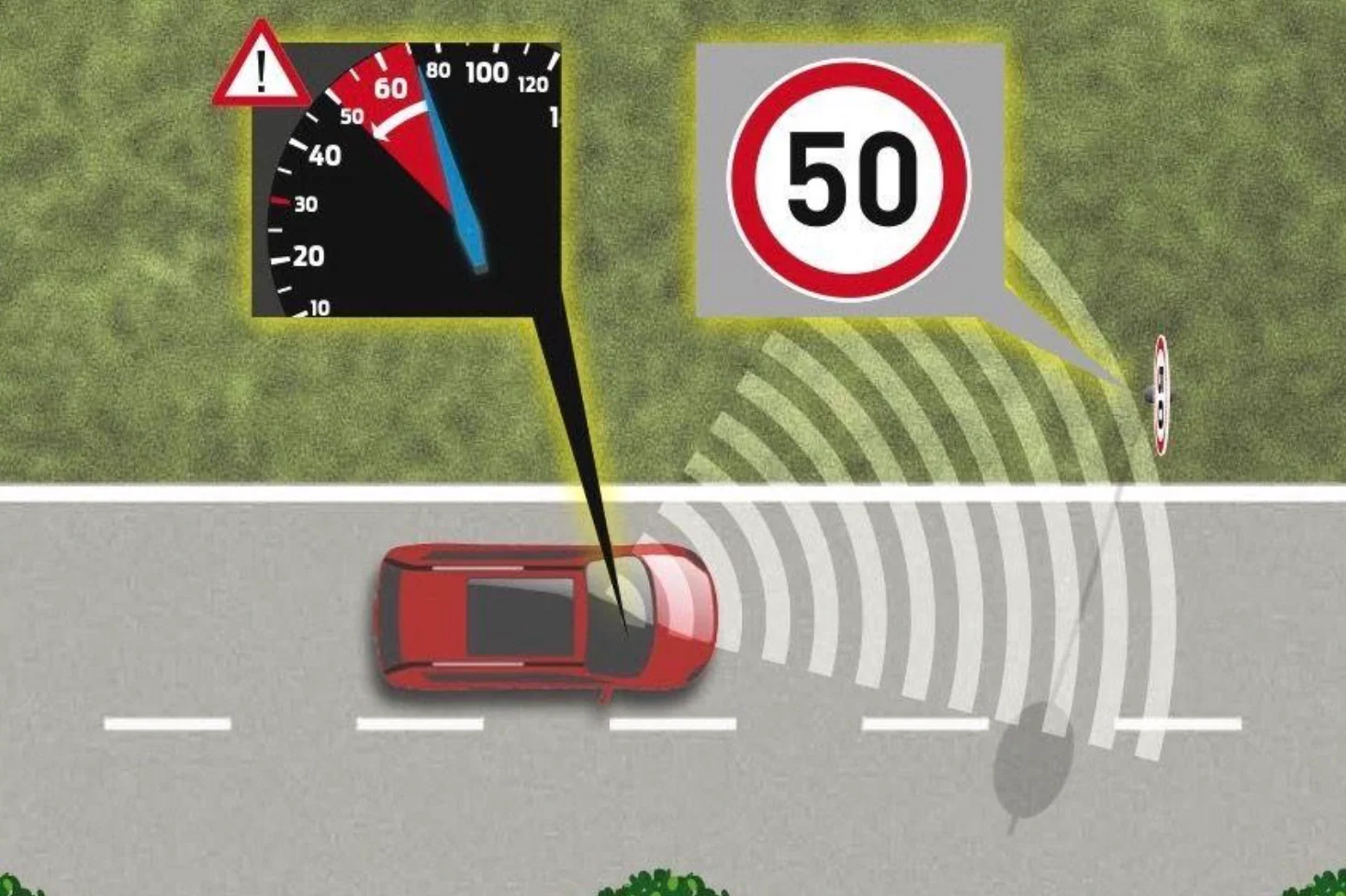
Detecting an ISA (Intelligent Speed Assistance) failure early isn’t just about avoiding a breakdown — it’s about protecting your drivers, staying compliant with regulations, and keeping your fleet efficient. ISA systems play a key role in speed governance, driver coaching, and road safety enforcement. So when they start to fail — even in small ways — the consequences can snowball fast.
Here’s how you can stay a step ahead with early detection and proper diagnostics.
1. Monitor with Advanced Telematics Platforms
Modern telematics platforms are more than just GPS trackers. They function as the central nervous system of your fleet. When connected with ISA systems, these platforms can monitor real-time speed behavior, system performance, and driver compliance.
Solutions like Resolute Dynamics’ Connect platform offer:
-
ISA health status monitoring (e.g., sensor errors, software faults)
-
Instant alerts when the system disconnects or malfunctions
-
Speed compliance reporting that shows whether ISA inputs match vehicle speed behavior
-
CAN bus data integration to read fault codes directly from the ECU (Electronic Control Unit)
If your ISA is malfunctioning — such as reading incorrect speed limits or not activating during high-speed events — a smart telematics dashboard will flag it immediately.
Pro Tip: Look for platforms that support over-the-air (OTA) diagnostics and can automatically notify you when updates or recalibrations are needed.
2. Conduct Daily Driver Walkaround Checks
Your drivers are your first line of defense.
While they may not be engineers, they spend the most time with the vehicle and are often the first to notice something feels “off.” Empower them to check and report signs of ISA failure during daily pre-trip inspections.
What drivers should look for:
-
ISA dashboard warning lights (blinking or persistent)
-
Missing speed limit alerts during regular routes
-
Unusual behavior like constant beeping, false warnings, or no alerts at all
-
Messages like “Speed Limit Not Available” on the infotainment system
-
Camera view obstructions (dirt, frost, cracked lens)
Provide a simple inspection checklist in the cab — it encourages accountability and creates a daily record of system status.
Fleet Tip: Train drivers to recognize ISA-related symptoms and report them using your fleet’s issue tracking app or a QR-scannable form.
3. Run Scheduled System Diagnostics
ISA systems should be checked regularly, especially for vehicles operating in harsh conditions like deserts, heavy rain zones, or high-traffic urban areas.
Set up a diagnostic schedule:
-
Weekly software health scans
-
Monthly sensor calibration
-
Quarterly system firmware updates
-
Annual system integrity check (including map data, camera alignment, and override logs)
Diagnostics can be performed using:
-
Manufacturer tools or service scanners (OEM-specific)
-
Unified ADAS diagnostic platforms
-
Onboard diagnostics (OBD-II readers) that can retrieve Diagnostic Trouble Codes (DTCs)
Watch for fault codes related to:
-
Speed signal inconsistencies
-
GPS signal loss
-
Speed limit mismatch
-
Sensor misalignment
Preventive maintenance beats reactive repair every time — especially for safety-critical systems like ISA.
4. Use Cross-System ADAS Alerts
Most modern vehicles are equipped with multiple Advanced Driver Assistance Systems (ADAS) — including Lane Departure Warning, Adaptive Cruise Control, Automatic Emergency Braking, and more.
These systems often share sensors and electronic control modules with ISA. When one system detects an issue, it may point to broader sensor or software failures.
For example:
-
If lane-keeping assist reports camera obstruction, ISA may also be affected.
-
If GPS-based navigation glitches frequently, ISA’s speed detection may be compromised.
-
If cruise control disengages unexpectedly, it could indicate conflicts with speed limit interpretation.
Cross-diagnostics give you an early clue that something isn’t right, even if the ISA system hasn’t yet triggered its own alert.
Fleet Tip: Integrate ADAS monitoring into your fleet dashboard so you can see how ISA is functioning as part of the full safety ecosystem.
5. Use Predictive Analytics and AI-Based Pattern Detection
For fleets with more than 50–100 vehicles, manual tracking becomes unrealistic. That’s where predictive failure analytics comes in.
With enough data over time, telematics platforms can start identifying ISA performance trends, such as:
-
A vehicle showing more ISA overrides than the fleet average
-
Repeated GPS signal losses in certain geographic zones
-
Degrading response times in older ISA models
Using machine learning algorithms, your system can flag patterns that suggest an ISA component is about to fail — before it actually does.
Predictive tools can estimate:
-
Time-to-failure for hardware
-
Risk score based on driver behavior + system integrity
-
Vehicles that need urgent recalibration
Prevention Strategies for ISA System Failures
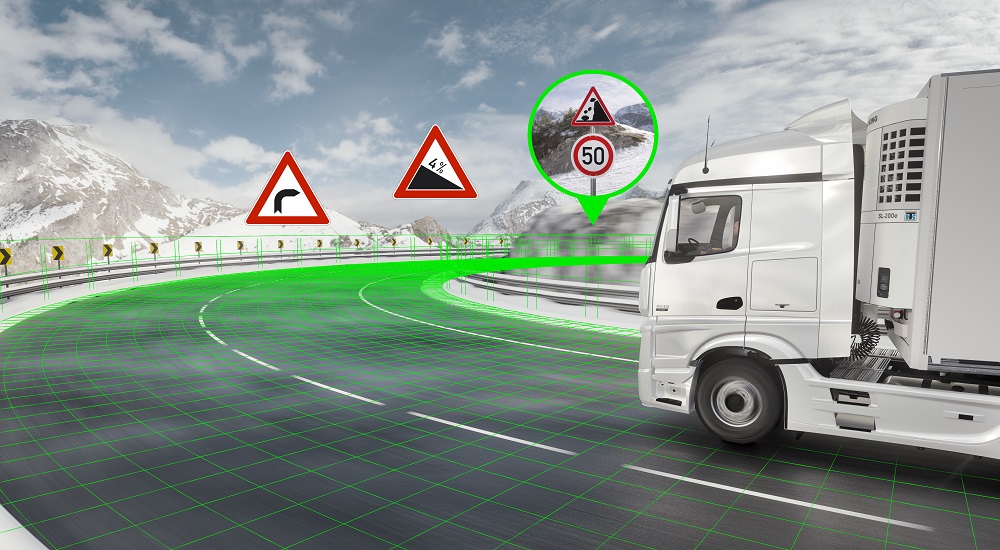
Fixing an ISA (Intelligent Speed Assistance) system after it fails can cost time, money, and sometimes even lives. But the good news is that most failures are preventable with the right strategy.
ISA systems are sensitive, data-driven technologies that rely on clean optics, accurate data, stable software, and human discipline. A proper prevention plan focuses on four main pillars: maintenance, software updates, driver behavior, and technology partnerships.
Let’s break down each in detail.
1. Proactive Maintenance
Regular maintenance is the first—and often the most effective—line of defense against ISA system failures.
Keep Sensors & Cameras Clean
ISA systems typically use forward-facing cameras mounted near the rear-view mirror or on the front grille. These cameras need a clear, unobstructed view of speed signs to work correctly.
Preventive Actions:
-
Clean camera lenses at least once a week, or more often in dusty, rainy, or muddy conditions.
-
In snowy or icy regions, use anti-fog and de-icing sprays on lenses.
-
Inspect for scratches, cracks, or misalignment after long trips or impacts.
Dirty or blocked sensors are one of the most common—and most avoidable—causes of false readings or complete ISA failure.
Calibrate During Scheduled Services
ISA cameras and sensors can lose calibration over time due to vibration, hard braking, or minor collisions. This affects how they interpret speed signs and road data.
Best Practices:
-
Include ISA calibration as part of routine fleet maintenance, especially during tire changes or suspension work.
-
Use OEM-approved calibration tools or service centers trained in ADAS system alignment.
-
If the vehicle has experienced a strong impact—even if minor—trigger a recalibration check immediately.
Replace Faulty Components Immediately
Delaying the replacement of faulty ISA parts (like a cracked camera housing or faulty wiring) can lead to cascading failures. What starts as a camera issue can eventually affect your ADAS, speed control, and telematics reporting.
Always treat ISA components as critical safety parts, not optional gadgets.
2. Keep Software Updated
ISA systems are powered by complex software, including mapping databases, vehicle firmware, and onboard processors. If the software is outdated, inaccurate, or buggy, even the best hardware will fail.
Use Over-the-Air (OTA) Updates
Modern fleet systems, like those offered by Resolute Dynamics, support OTA (Over-the-Air) updates. These let you push patches and updates without having to pull vehicles from the road.
Benefits of OTA:
-
No service center visits for every update
-
Quicker bug fixes and security patches
-
Real-time deployment across the entire fleet
Make sure your fleet management software has automated update scheduling or at least alerts for pending updates.
Sync Digital Maps Frequently
ISA systems rely heavily on digital road data to determine speed limits. If map data is outdated, the system might miss new zones, changed limits, or temporary restrictions like school zones or construction areas.
What to Do:
-
Sync your fleet’s navigation data weekly, especially in fast-developing urban areas.
-
Choose mapping providers that offer live map feeds or crowd-sourced updates.
-
For fleets operating across regions, verify that your ISA system is region-compatible with local signage and limit standards.
Regularly Check for Firmware Integrity
Firmware is the “brain” inside your ISA system. Corrupted or outdated firmware can cause anything from misinterpretation of road signs to complete system shutdowns.
Run regular firmware checks during maintenance cycles and always follow OEM update protocols.
3. Train Drivers
Even the most advanced ISA system can’t work properly without trained, responsible drivers. Human behavior is a leading cause of system misuse, override abuse, and undetected failures.
Educate Drivers on ISA Purpose
Many drivers still see ISA as a nuisance or unnecessary control. But once they understand how it helps them avoid tickets, reduce fatigue, and stay safer, they’re more likely to trust the system.
Training Topics Should Include:
-
What ISA does (speed limit detection, alerts, and intervention)
-
Why it matters for safety and insurance compliance
-
How to respond when the system activates or gives a warning
Use hands-on demonstrations during training to show ISA behavior in different driving conditions.
Teach Them How to Spot & Report Issues
Drivers should be the first to detect ISA problems, like missing alerts, glitchy behavior, or strange system warnings.
Give them tools to:
-
Recognize ISA-specific dashboard lights
-
Log ISA malfunctions in a driver report app or form
-
Report tampering or suspected hardware damage
Encourage early reporting by removing blame culture—make it about safety, not punishment.
Discourage Tampering or Override Abuse
Some ISA systems allow temporary overrides—especially on highways or during overtaking. But repeated overrides reduce system effectiveness and increase risk.
Best Practices:
-
Set override thresholds using fleet telematics (e.g., max 5 overrides per shift)
-
Use driver scorecards to monitor ISA-related behavior
-
Flag and retrain drivers who override too frequently without justification
4. Work With a Trusted Tech Partner
Not all ISA systems are equal. Some are basic and prone to error. Others are robust, AI-enhanced, and designed for real-world fleet conditions.
Choose a Provider That Goes Beyond ISA
A good tech partner provides more than just ISA. They offer:
-
AI-powered vision systems that accurately read signs in any lighting or weather
-
Real-time telematics integration for tracking, alerts, and diagnostics
-
Smart control systems that go beyond warnings to enable gentle intervention
Look for platforms that integrate ISA with your broader Fleet Management System (FMS) to ensure full visibility and compliance.
Ensure the Platform Can Self-Diagnose
Leading platforms now include self-monitoring tools that can:
-
Detect sensor blockage
-
Flag calibration issues
-
Send alerts for tampering or deactivation
This level of automation reduces manual effort and shortens reaction time when issues arise.
Review Performance Dashboards
Your tech provider should offer detailed dashboards showing:
-
ISA health status per vehicle
-
Compliance rates by route or driver
-
Alerts and incident logs
Use this data to continuously improve your fleet’s ISA usage and reliability.
Real-World Example: A Fleet Incident That Could Have Been Prevented
A delivery fleet in Abu Dhabi experienced a spike in speeding violations. On investigation, it turned out a batch of vehicles had misaligned cameras due to a parking lot speed bump. The ISA system wasn’t reading signs properly. Because they weren’t using a live monitoring system, it took weeks to detect.
By the time they fixed it, insurance costs had gone up and one minor accident had already happened.
Had they used real-time diagnostics and alerts, like those offered in Resolute’s platform, they could’ve caught it in hours, not weeks.
The Future of ISA and Smart Fleet Integration
ISA is just the beginning. In the future, we’ll see systems that not only warn but learn. With machine learning, vehicle-to-infrastructure (V2I) communication, and predictive analytics, fleets will become safer, faster, and smarter.
ISA will talk to traffic lights, warn about upcoming hazards, and adjust routes based on driver behavior. The key is staying ahead of the curve—choosing tech partners who build with the future in mind.
Conclusion: Stay In Control Before Systems Lose Control
ISA systems are a big step forward for safety—but only if they work right.
Understanding what can go wrong, how to spot the signs, and how to prevent failures puts you in control. Whether you manage ten trucks or a thousand, these systems protect your drivers, your brand, and your bottom line.
Smart fleets don’t just react—they predict, prevent, and perform.
FAQs
What is an ISA system in a vehicle?
ISA (Intelligent Speed Assistance) is a safety feature that helps drivers stay within legal speed limits using GPS, cameras, and data.
What causes ISA to stop working?
Common causes include sensor issues, software glitches, weather interference, and tampering by drivers.
Can ISA failures cause accidents?
Yes, if a driver relies on ISA to monitor speed and it fails, it increases the risk of over-speeding and reduced reaction time.
How do I fix a faulty ISA system?
Start with diagnostics, update software, and check the camera sensors. Use a telematics platform to catch problems early.
Should ISA systems be checked regularly?
Absolutely. Weekly checks, monthly software updates, and driver feedback are essential to keep them working well.