OTA (Over-the-Air) Updates for ISA Firmware: Best Practices
Jan 15, 2026 Resolute Dynamics
Intelligent Speed Assistance (ISA) systems are becoming a standard feature in modern vehicles, especially in fleets. With regulations tightening across the globe, these systems are no longer optional—they’re essential. But for them to stay effective, their firmware needs to be updated regularly. That’s where Over-the-Air (OTA) updates come in.
OTA updates let you send new firmware to vehicles remotely—no physical access needed. This means faster updates, fewer costs, and better safety compliance. But doing it right takes planning, precision, and the right practices. Let’s break it down.
Understanding OTA Firmware Updates in ISA Systems
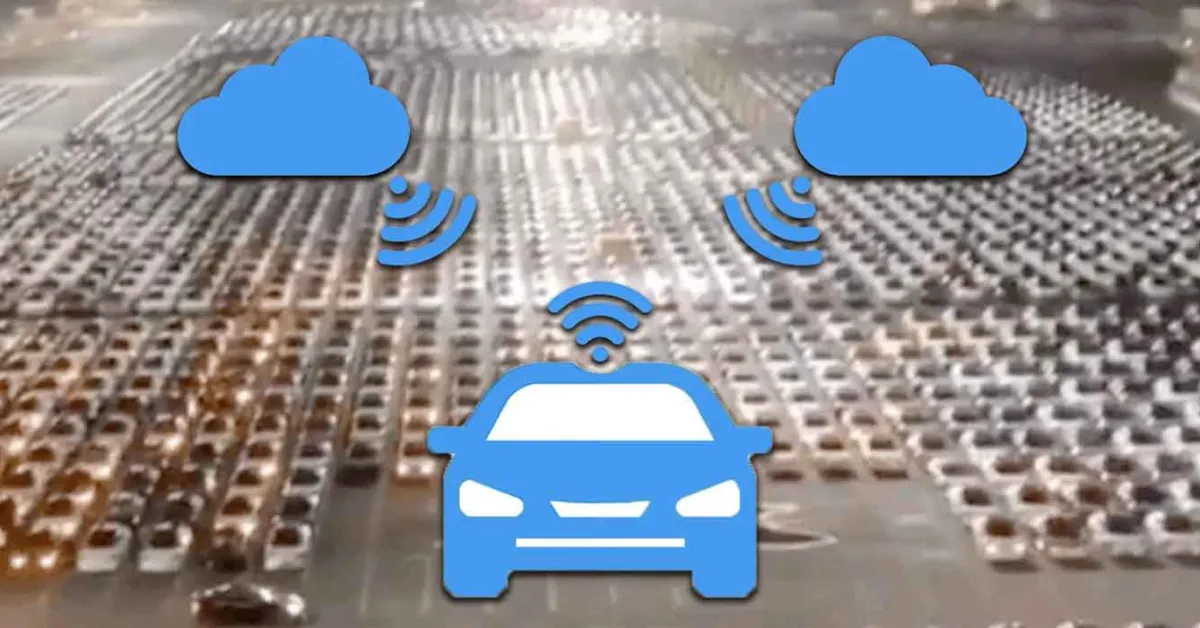
Over-the-Air (OTA) firmware updates are reshaping how we manage vehicle software—especially when it comes to Intelligent Speed Assistance (ISA) systems. Instead of pulling vehicles into service bays for manual updates, fleets can now push critical software changes remotely, using secure wireless connections. It’s efficient, scalable, and increasingly necessary in a world where vehicle safety tech evolves constantly.
But to really grasp why OTA is essential for ISA, we need to go deeper into how these updates work and what makes them so powerful.
What Is an OTA Update, Technically?
At its core, an OTA firmware update is the remote transmission and installation of software to a device—in this case, an electronic control unit (ECU) within the vehicle. The firmware controls how the ISA system behaves, including how it reads speed limits, enforces driver compliance, or interacts with braking and acceleration systems.
Unlike simple software apps, firmware updates operate at a low level, interacting directly with hardware like sensors, GPS modules, cameras, and actuators.
Core Components of an OTA Update System
A successful OTA architecture for ISA relies on several critical layers working together:
1. Firmware Repository (Backend Infrastructure)
-
The actual firmware package is hosted on a secure server, often within a cloud environment.
-
These files include binary data, metadata (like version number, hash), and update logic.
-
A content delivery network (CDN) may be used to distribute updates globally for faster response times.
2. Vehicle Connectivity
-
Vehicles receive updates through embedded telematics control units (TCUs), which use:
-
Cellular (4G/5G)
-
Wi-Fi (in depot environments)
-
Or dedicated V2X infrastructure (vehicle-to-everything)
-
-
These units connect securely to the cloud, check for update availability, and download packages based on pre-set conditions (like ignition status, battery level, or network strength).
3. Update Manager Software (Control Layer)
-
This software decides when and how each vehicle should receive updates.
-
It includes rules for:
-
Targeted rollouts (e.g., only updating vehicles in a specific region)
-
Dependency checks (ensuring hardware/software compatibility)
-
Fallback procedures if an update fails
-
-
Some platforms even allow delta updates, which only push changes rather than full files—saving bandwidth.
How OTA Works in the Context of ISA Systems
Now let’s focus on ISA-specific use cases. ISA systems are deeply tied to real-time safety performance. They rely on accurate and up-to-date information to help drivers stay within legal speed limits and adjust behavior accordingly. Here’s where OTA comes in:
Speed Limit Data Updates
ISA units use digital maps and AI-driven sign recognition to understand speed limits. But roads change—construction zones pop up, limits shift, new roads open. OTA allows ISA systems to fetch updated geospatial data and apply it on the fly.
Geofencing Rule Changes
In some jurisdictions, certain areas (like school zones or tunnels) require different driving behavior. If geofencing rules are updated by regulators or insurers, OTA can instantly push these changes to every vehicle in your fleet—ensuring instant compliance.
Algorithm Improvements
ISA systems use algorithms to:
-
Warn drivers of excessive speed
-
Adjust acceleration limits
-
Trigger ADAS features like braking assist
OTA enables you to improve these algorithms in the background—fine-tuning how vehicles respond to driver input, road conditions, or safety violations.
Bug Fixes & Security Patches
Like any digital system, ISA firmware can have vulnerabilities. OTA updates allow for fast patches without taking vehicles offline. This minimizes risk and keeps your fleet cyber-resilient.
Example Scenario
Let’s say your fleet is operating in Dubai and new ISA compliance rules take effect next week. With OTA:
-
You push a compliance update to 1,000+ vehicles overnight.
-
All ISA systems receive new parameters for speed limit thresholds, alert logic, and fallback behavior.
-
Drivers hit the road the next morning with fully compliant firmware—no downtime, no appointments.
That’s the power of OTA in a fleet environment.
Why It Matters for Fleets and Safety
Without OTA, updating vehicle software is expensive, slow, and error-prone. It means:
-
Scheduling service appointments
-
Taking vehicles off the road
-
Risking human errors during manual installs
With OTA:
-
You stay compliant with regulations
-
You reduce maintenance costs
-
You increase safety through real-time optimizations
For modern ISA systems, OTA isn’t a luxury—it’s a requirement.
Benefits of OTA Firmware Updates for ISA
OTA firmware updates offer a lot more than convenience. Here’s why they matter so much for ISA systems:
-
Fast compliance: New laws can be enforced instantly across fleets.
-
Cost savings: No need to manually update each unit—huge for fleets spread across regions.
-
Real-time safety improvements: Critical patches or algorithm updates can be pushed immediately.
-
Scalability: Whether you manage 10 vehicles or 10,000, you can update them all from one dashboard.
-
Data-driven insights: Many OTA systems offer analytics on update success, failure, or issues.
Risks and Challenges in OTA Updates

Over-the-Air updates have completely changed how we manage firmware in vehicle systems like ISA (Intelligent Speed Assistance). But with great convenience comes real risk. Pushing firmware remotely, especially in large and diverse fleets, introduces several challenges—technical, operational, and even legal.
When these risks aren’t properly managed, the result can range from minor bugs to full-on safety violations or regulatory failures. Let’s unpack the biggest risks in detail.
1. Cybersecurity Threats
Security is the #1 concern with OTA firmware updates—and for good reason.
Every update sent wirelessly travels through networks that can potentially be intercepted, spoofed, or manipulated. If a hacker gains access to the update stream or the backend system, they could:
-
Inject malware into the firmware
-
Disable ISA functions completely
-
Alter speed thresholds, causing unsafe behavior
-
Exfiltrate vehicle or driver data
One of the most dangerous risks is a Man-in-the-Middle (MitM) attack, where a bad actor intercepts the update between server and vehicle and silently modifies it. Without end-to-end encryption, code signing, or secure boot, there’s no guarantee the software running inside your ISA module is safe.
Real-world example:
In 2015, white-hat hackers remotely controlled a Jeep Cherokee’s brakes and steering using a vulnerability in its telematics unit. That incident forced a recall of over 1.4 million vehicles—and was a turning point in OTA security awareness.
2. Update Failures (Bricking)
OTA updates are not guaranteed to succeed. A failed update—whether due to power loss, corrupt files, or interrupted connections—can leave the ISA system “bricked” or unusable.
This can happen if:
-
The vehicle loses power mid-update
-
The firmware package is only partially downloaded
-
There’s an unexpected crash during installation
-
The update conflicts with existing software or hardware
When the ISA module fails during an update:
-
Speed warnings may stop working
-
The system may enter a failsafe mode
-
Vehicles may become non-compliant with safety mandates
-
In worst-case scenarios, drivers lose speed control assistance altogether
That’s a serious safety hazard, especially in regulated environments like the EU or UAE where ISA is mandatory.
3. Network Coverage and Connectivity Issues
Vehicles operate everywhere—on highways, in tunnels, rural areas, and even underground parking garages. OTA updates require a stable connection to download and install successfully, but that isn’t always available.
Challenges include:
-
Spotty 4G/5G signals in remote areas
-
Vehicles parked in areas with poor reception
-
Moving vehicles losing signal mid-update
-
Firewall restrictions in fleet yards or depots blocking update servers
If an update fails to download completely, or if installation is delayed for too long, the vehicle may run outdated firmware—creating a compliance risk and performance inconsistencies across the fleet.
Mitigation tip:
Advanced OTA systems use store-and-forward logic to resume updates when the signal returns, and some platforms allow scheduling updates only when connectivity is strong and stable.
4. Hardware and Software Compatibility
Not all vehicles are built the same—even within the same fleet.
Different vehicles may have:
-
Different ECU models
-
Varying levels of memory or processing power
-
Legacy hardware that doesn’t support OTA at all
-
Different operating systems (Linux-based, RTOS, proprietary)
A firmware update that works perfectly in one truck might cause a crash in another. Without targeted compatibility testing, it’s easy to push an update that breaks a subset of your fleet.
Another layer of complexity is introduced by third-party hardware—like aftermarket ISA units or telematics devices. These may lack the OTA protocols required for seamless updates or may rely on outdated standards.
5. Lack of Rollback and Redundancy
One of the most overlooked risks in OTA is the absence of a rollback mechanism.
If something goes wrong and the system can’t revert to the previous working version, you’re stuck. The ISA unit may become unstable or completely unusable. Some vehicles don’t have dual memory banks (A/B partitioning), meaning there’s no safe version to fall back on.
Without:
-
Rollback capability
-
Redundant partitions
-
Or failsafe recovery systems
… a failed update could require manual servicing—which defeats the purpose of OTA entirely and adds cost and downtime to the fleet.
6. Regulatory and Legal Risks
Failing to manage OTA updates correctly can open up legal liabilities—especially in regulated markets.
For example:
-
If a vehicle gets into a crash and investigation shows that an OTA update failed—or was missing—fleet owners could face lawsuits or insurance penalties.
-
In some countries, automotive cybersecurity regulations (like UNECE WP.29 or ISO/SAE 21434) mandate secure OTA practices. Non-compliance could mean fines or forced recalls.
For fleet operators and OEMs, these aren’t just technical challenges—they’re business risks.
How to Mitigate These Risks?
Every challenge above can be addressed with smart planning and the right tools:
-
Use strong encryption and firmware signing
-
Design for rollback and redundancy
-
Test OTA packages on sandbox fleets
-
Monitor update progress with real-time dashboards
-
Ensure hardware-software compatibility through modular update targeting
-
Follow security standards like ISO 26262, ASPICE, or ISO/SAE 21434
When OTA updates are treated with the same care as any mission-critical system, they become a powerful tool—not a vulnerability.
Best Practices for OTA Firmware Updates
OTA (Over-the-Air) firmware updates are powerful, but they can also be risky if handled without care. When you’re dealing with ISA systems, where software directly influences speed control and driver behavior, the margin for error is razor-thin.
To reduce risks, ensure compliance, and optimize safety, follow these tried-and-true best practices.
a. Security-First Design
Security is the backbone of any OTA update strategy. If your update process isn’t secure, everything else falls apart. You’re not just sending files — you’re sending code that can control how a vehicle behaves on the road.
Key Practices:
-
End-to-End Encryption
Encrypt all data from the server to the vehicle using strong protocols like TLS 1.3. This prevents data from being intercepted or altered during transit. -
Device Authentication
Every vehicle or ECU receiving an update must be authenticated before anything is sent. Use X.509 digital certificates or mutual TLS to confirm identity and prevent spoofing. -
Firmware Signing & Validation
All firmware should be digitally signed by the manufacturer. Vehicles must verify the signature before installation. This ensures only genuine software is accepted. -
Secure Bootloaders
A secure bootloader checks the firmware’s signature at boot. If tampered firmware is detected, the system refuses to run it — protecting both the ISA logic and driver. -
Protection Against Replay Attacks
Prevent attackers from re-sending old updates by including nonces, timestamps, or version numbers in update packages.
Why It Matters:
One single breach could give an attacker access to an entire fleet. ISA systems control speed, alerts, and braking responses—so unprotected updates are a critical safety threat.
b. Robust Testing Before Deployment
No OTA update should be pushed to a production fleet without thorough validation. ISA firmware directly affects vehicle behavior, so you need to be absolutely certain that it performs as expected under every possible condition.
Key Practices:
-
Pilot Fleets / Canary Testing
Roll out updates to a small, diverse group of vehicles first. Monitor closely for failures, edge cases, or unexpected behavior. Only expand the rollout if all goes well. -
Automated Regression Testing
Use automated pipelines to test new firmware against past scenarios and known failure points. Ensure the update doesn’t break existing features or introduce regressions. -
Hardware-in-the-Loop (HIL) Simulation
Simulate real vehicle environments (speed, GPS, camera input, etc.) with hardware-in-the-loop systems. Test how the firmware responds to driver actions, road signs, and variable conditions. -
Telematics Integration Tests
Ensure the firmware plays well with the vehicle’s telematics unit, sensors, and data logging systems. ISA logic often depends on multiple data sources—test the full system stack.
Why It Matters:
Poorly tested firmware can result in non-compliant vehicles, system crashes, or even driver accidents. Testing protects both your customers and your brand reputation.
c. Fallback and Rollback Mechanisms
Even the best update can go wrong. That’s why robust rollback and fallback systems must be in place.
Key Practices:
-
Dual-Bank Firmware (A/B Partitions)
Store both the current firmware and the new one on separate memory slots. If installation fails, the vehicle can revert to the working version automatically. -
Fail-Safe Mode
If both versions are unusable, the system should enter a recovery or safe mode with limited functionality, enough to restore the update or return to a service center. -
Manual Override
In critical systems, allow certified technicians to perform manual reboots or firmware flash via OBD-II port or dedicated recovery mode. -
Health Monitoring After Update
Monitor for system anomalies after installation. If the firmware causes erratic behavior (e.g., false speed alerts), it should trigger auto-rollback.
Why It Matters:
OTA updates failing mid-install can brick devices, make vehicles non-operational, or disable safety features. Rollbacks ensure stability and reduce the need for physical service calls.
d. Version Control and Update Logging
You can’t manage what you can’t track. A structured system for version control and update logging helps ensure accountability, traceability, and regulatory compliance.
Key Practices:
-
Semantic Versioning
Use clear versioning (e.g., v2.1.0) to track changes. Differentiate between bug fixes, security patches, and new features. -
Detailed Changelogs
Every firmware release should include human-readable release notes: what’s new, what’s fixed, and what to expect. -
Update Logs per Vehicle
Maintain logs of update status, timestamps, and outcomes for each vehicle. This data can be used for audits, insurer reports, or warranty claims. -
Centralized Logging Dashboards
Allow fleet managers to view update history across all units via a unified dashboard with search, filter, and export capabilities.
Why It Matters:
Transparent logging helps you comply with regulatory audits, defend against legal claims, and quickly troubleshoot issues across your fleet.
e. Real-Time Monitoring and Reporting
Firmware deployment shouldn’t be a “set it and forget it” process. Real-time insight gives you the visibility needed to spot problems early and respond fast.
Key Practices:
-
Live Update Dashboards
Use centralized monitoring to track update progress across fleets, sorted by vehicle type, location, or update stage (downloaded, installed, verified). -
Anomaly Alerts
Set automated alerts for unusual behavior:-
Devices that fail updates multiple times
-
Vehicles that haven’t checked in for updates
-
Abnormally long install times
-
-
Success Rate Analytics
Track metrics like:-
Update completion rate
-
Time to deploy
-
Percentage of rollback incidents
-
Error code breakdown
-
-
Health Reports Post-Update
Assess vehicle health metrics before and after the update: CPU usage, memory load, ISA sensor input, etc. These can reveal hidden performance issues.
Why It Matters:
Without monitoring, you risk rolling out broken firmware without knowing it. Real-time oversight helps you catch failures before they scale, and improve your update process over time.
Regulatory and Compliance Considerations

Different regions have different rules—but all of them are tightening.
-
In the EU, ISA systems are now mandatory for new vehicles. OTA updates must be secure and reliable.
-
In UAE, India, and parts of Southeast Asia, local regulations around speed assistance and safety tech are evolving fast.
-
Insurance providers increasingly demand OTA-ready systems for risk scoring and driver compliance tracking.
Fleet managers need to make sure their OTA system aligns with regional compliance frameworks, especially when operating internationally.
Integration with Resolute Dynamics Technology Stack
Resolute Dynamics’ platform is built for seamless OTA.
-
Our Capture systems detect behavior and speed patterns in real time.
-
Our Connect platform uses robust telematics and cellular networks to deliver updates securely and efficiently.
-
Our Control layer manages firmware behavior inside the ISA system and ensures safe rollouts, even across diverse vehicle types.
With more than 200,000 connected vehicles across 20+ countries, Resolute’s OTA infrastructure is field-tested and globally trusted.
Future Outlook: Where OTA and ISA Are Headed
The future of OTA in ISA is moving beyond simple updates.
-
AI-driven predictive updates will soon analyze driving conditions and pre-load updates based on driver behavior or regional laws.
-
Vehicle-to-cloud learning systems may one day suggest firmware improvements in real-time.
-
As autonomous driving tech grows, OTA will also become a critical part of safety validation and algorithm governance.
Being future-ready means investing in smart, scalable OTA solutions today.
FAQs
Can OTA updates be scheduled to avoid peak hours?
Yes. Most platforms allow nighttime or low-traffic scheduling to reduce risks.
How often should ISA firmware be updated?
Whenever new safety rules, patches, or behavior models are released—usually every 1–3 months.
What if a vehicle is offline during the update?
It will be queued and installed automatically when the vehicle is back online, assuming connectivity is restored.
Conclusion
OTA firmware updates are essential for keeping ISA systems safe, smart, and compliant. But they must be handled with care. From securing data channels to testing thoroughly and staying aligned with local laws, every detail matters.
A good OTA strategy isn’t just about software—it’s about safety, trust, and staying ahead of the curve in a fast-changing world. For fleets and automotive businesses, now is the time to upgrade how you update.