Raw Footage vs AI Data: What Should Fleets Store?
Apr 18, 2026 Resolute Dynamics
Fleet video telematics has evolved quickly over the past few years. What started as simple dashcams recording hours of footage has now become a sophisticated system powered by AI, capable of identifying risks, tagging incidents, and delivering insights in real time.
But with that evolution comes a new challenge for fleet safety managers:
What data should you actually store?
Do you keep everything — every second of raw footage — just in case?
Or do you rely on AI to capture only the moments that matter?
This decision has real implications for cost, efficiency, safety, and even insurance outcomes. Let’s break it down in a practical way so you can choose what works best for your fleet.
Understanding Fleet Video Telematics Today
Modern fleet video telematics combines multiple data streams into one system:
- Video from road-facing and cabin cameras
- GPS location and trip data
- Driver behavior insights
- AI-powered event detection
The goal isn’t just to record what happens — it’s to understand and act on it faster.
And that’s where storage strategy becomes critical.
Because while technology makes it easy to collect data, storing and using it effectively is a different challenge altogether.
The Two Approaches: Full Footage vs Smart Events
1. Raw Footage (Continuous Recording)
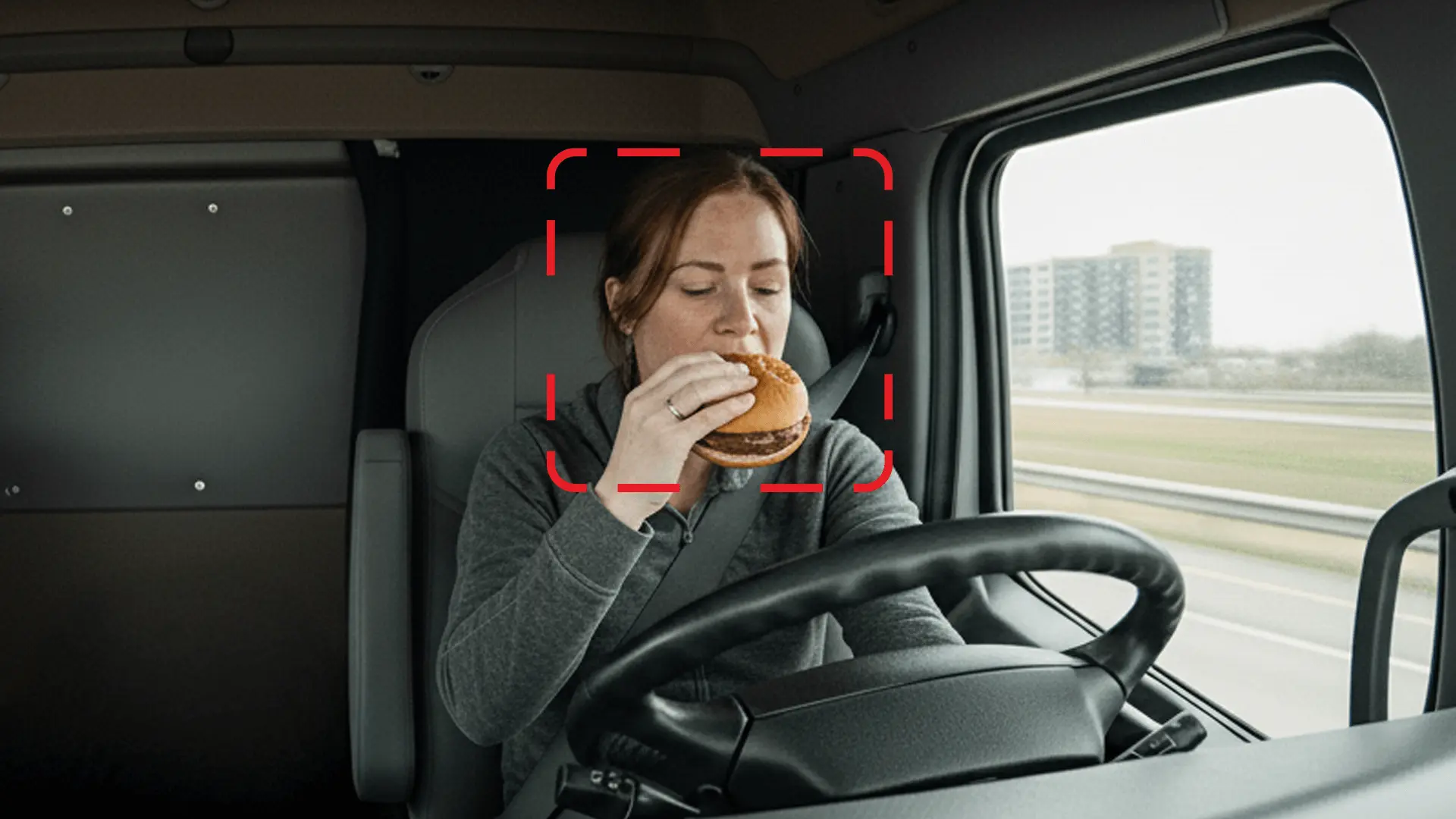
This is the traditional model. Cameras record everything — entire journeys, start to finish.
That means:
- Every mile is documented
- Every moment is available for review
- Nothing is filtered or missed
At first glance, this sounds ideal. More data should mean better visibility, right?
But in practice, it comes with trade-offs:
- Massive storage requirements
- High cloud and infrastructure costs
- Long hours spent reviewing footage
Raw footage gives you complete context, but it also creates data overload.
2. AI-Processed Event Data
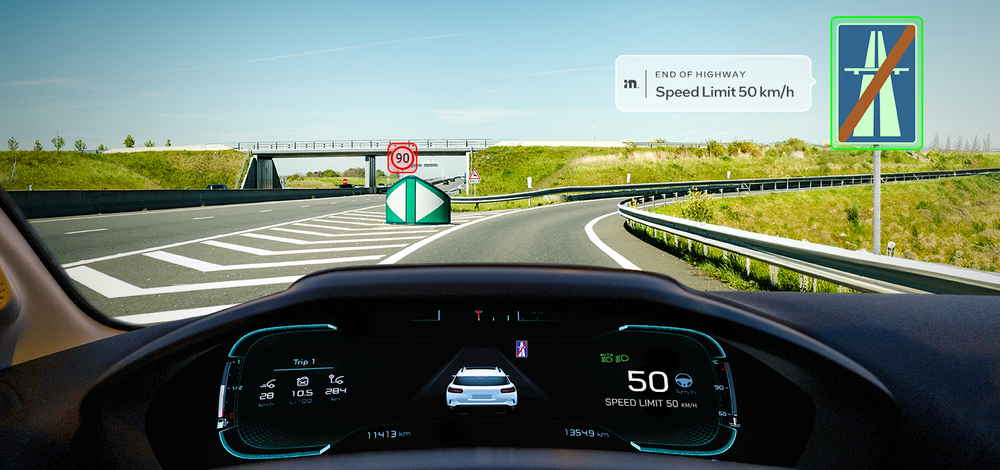
AI-driven systems take a different approach.
Instead of storing everything, they:
- Detect risky events (harsh braking, collisions, distraction)
- Automatically save short video clips
- Attach context like speed, location, and driver behavior
So instead of reviewing hours of driving, you get focused, relevant moments.
This dramatically reduces:
- Storage needs
- Review time
- Operational effort
But it also introduces a key question:
Can you trust AI to capture everything important?
The Real Trade-Off: Context vs Efficiency
At its core, this isn’t just a technical decision — it’s an operational one.
Raw Footage Prioritizes:
- Complete visibility
- Legal defensibility
- Full journey reconstruction
AI Event Data Prioritizes:
- Speed
- Efficiency
- Actionable insights
Neither approach is “wrong.” But each serves a different purpose.
When Storing Raw Footage Makes Sense
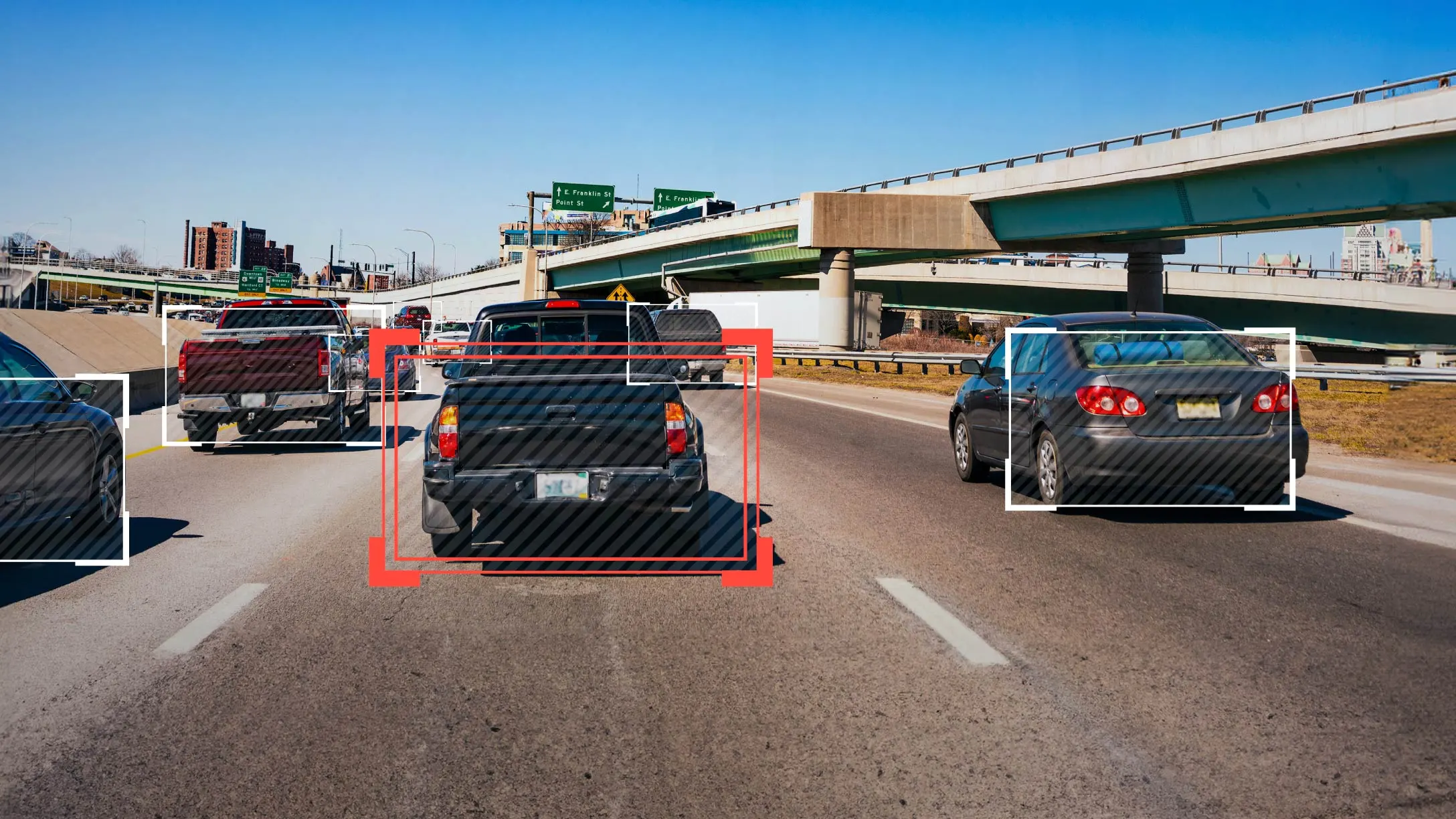
There are scenarios where full video retention is still the safer choice.
You may lean toward raw footage if:
- Your fleet operates in high-risk environments
- You frequently deal with legal disputes or liability claims
- You need complete journey reconstruction for compliance
- You can afford the storage and review costs
In these cases, having access to everything can make a difference — especially when incidents don’t follow predictable patterns.
When AI Event Data Is the Better Option
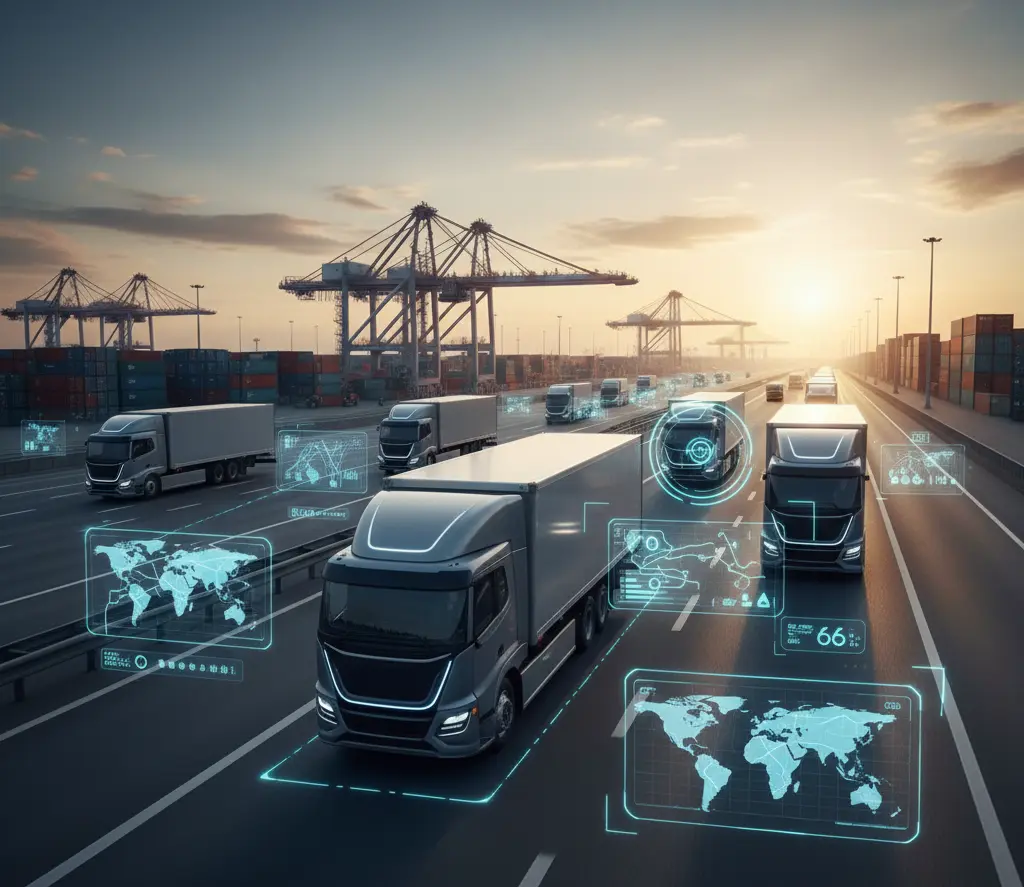
For many fleets, especially those scaling operations, AI-based storage is more practical.
It works well when:
- Your team has limited time to review footage
- You want faster incident response
- You focus on improving driver behavior
- You need a cost-efficient solution
Instead of searching through hours of recordings, your team can quickly act on the events that matter most.
The Hidden Costs Most Fleets Don’t See Coming
One of the biggest mistakes fleets make is underestimating the true cost of storing raw footage.
Storage Costs Scale Quickly
With multiple cameras per vehicle and continuous recording, data grows fast. What starts as manageable can quickly become expensive.
Review Time Slows Everything Down
Even if you have the footage, someone has to watch it. That means:
- Delayed incident investigations
- Slower insurance claims
- Increased workload for safety teams
More Data Doesn’t Mean More Insight
In many cases, fleets collect far more video than they ever use.
The result? Important insights get buried in volume.
Why More Fleets Are Moving Toward a Hybrid Approach
Instead of choosing one extreme or the other, many fleets are adopting a hybrid strategy.
This approach combines:
- AI-tagged event clips for daily operations
- Short-term raw footage for backup and verification
It gives you the best of both worlds:
- Efficiency in day-to-day management
- Coverage for unexpected situations
In practice, it looks like this:
- AI detects an event and saves a clip
- The safety manager reviews it immediately
- If needed, additional footage can be retrieved
This approach avoids the cost and complexity of storing everything — while still providing a safety net when needed.
Why the Right Capture System Matters
A hybrid strategy only works if your system is designed to support it.
You need more than just cameras — you need a platform that:
- Captures relevant events accurately
- Stores data intelligently
- Makes retrieval fast and simple
That’s where having a purpose-built solution makes a difference.
If you want to see how this kind of intelligent capture works in practice, explore this
intelligent video capture system for fleets: https://resolute-dynamics.com/capture/
How to Decide What’s Right for Your Fleet
There’s no one-size-fits-all answer. But a few questions can guide your decision:
- How often do we rely on video for insurance or legal cases?
- Do we need full-trip visibility or just incident-level insight?
- Can our team realistically review large volumes of footage?
- What are our storage and infrastructure constraints?
- Are there regulatory requirements we need to meet?
Your answers will naturally point you toward:
- A raw-footage-heavy model
- An AI-driven model
- Or a hybrid approach
Real-World Scenarios
To make this more concrete, here’s how different fleets approach it:
Insurance-focused fleets
Prioritize fast access to evidence → AI clips + limited backup footage
High-liability operations
Need full documentation → More reliance on raw footage
Growing logistics fleets
Need efficiency and scalability → AI-first approach
Looking Ahead: The Future of Video Telematics
The industry is shifting away from passive recording toward intelligent, real-time systems.
We’re seeing:
- AI processing happening directly inside cameras
- Smarter event detection with fewer false alerts
- Faster workflows from incident detection to resolution
Video is no longer just about recording what happened —
it’s about helping fleets make better decisions in the moment.
Final Verdict: What Should You Store?
If you store everything, you’ll likely pay more than you need to — in both cost and time.
If you rely only on AI, you may miss rare but critical events.
For most fleets, the answer sits in the middle.
A hybrid approach offers the best balance of efficiency, cost, and risk coverage.
The real goal isn’t just to store video — it’s to use it effectively.
That means capturing the right moments, reducing noise, and making sure your team can act quickly when it matters.
If your current system feels like it’s giving you too much data and not enough clarity, it might be time to rethink how you capture and store video altogether.
Learn more about a smarter approach to fleet video telematics here:
👉 fleet video telematics capture solution: https://resolute-dynamics.com/capture/